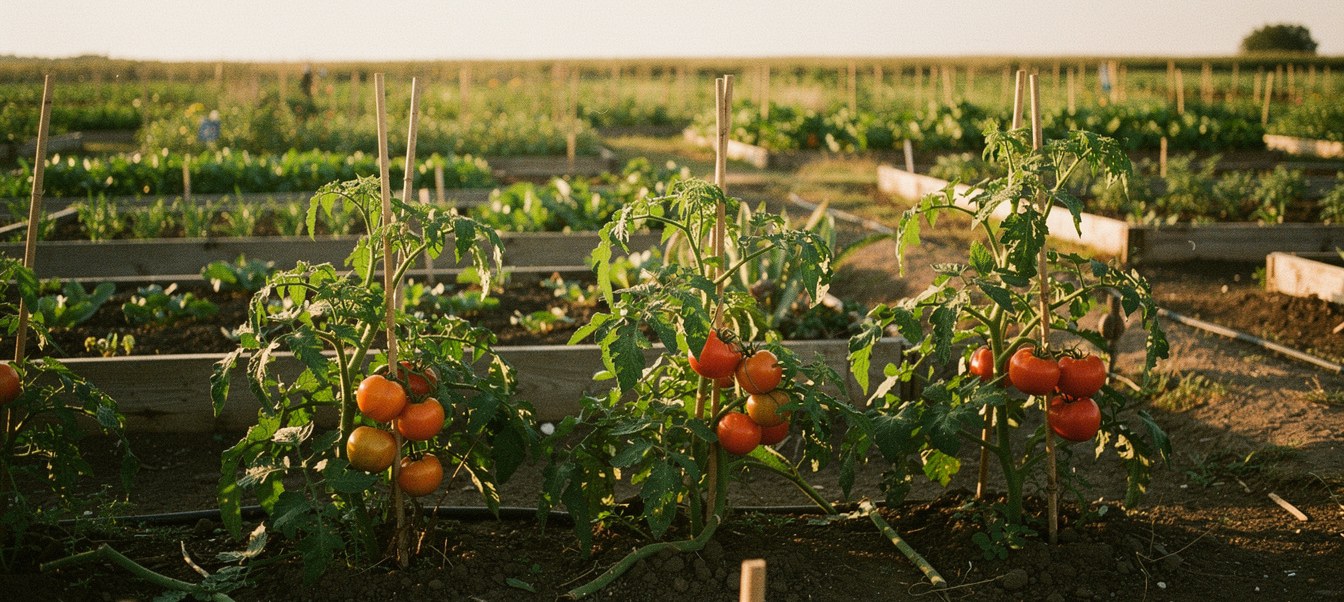
For vegetable gardeners
Grow your gardenlike you’ve lived heretwenty years.
Row & Bed is a plant reference built around your ZIP code: your zone, your frost dates, your forecast, and a cited page for every variety in your beds.
Takes under five minutes. Nothing saves until you subscribe. See how it works ↓
I. Where you live
One ZIP. Everything that ZIP tells us.
Enter a five-digit ZIP and we pull your USDA zone, your 30-year frost dates, your soil temperature, and the live NOAA forecast for the grid cell directly over your garden. Every page after that reads against those numbers. Not a national average, not a seed-packet guess.
Reading your zone, frost dates, and forecast…
II. What’s worth growing
Plants that earn their bed space.
A bed is a small place. The library is built the way a neighbor with twenty seasons would build it: varieties picked for flavor, for reliability, and for whether they finish where you live.
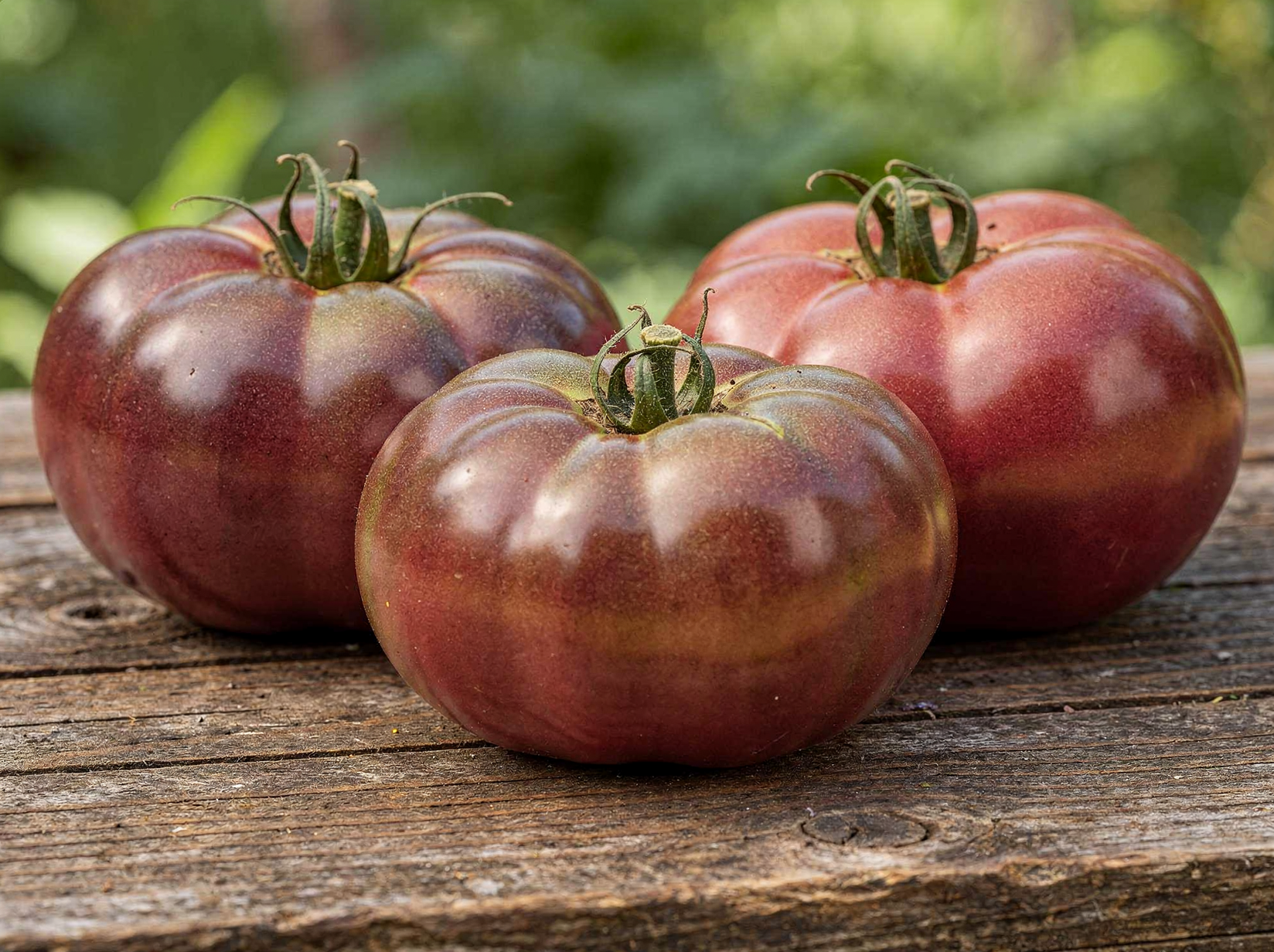
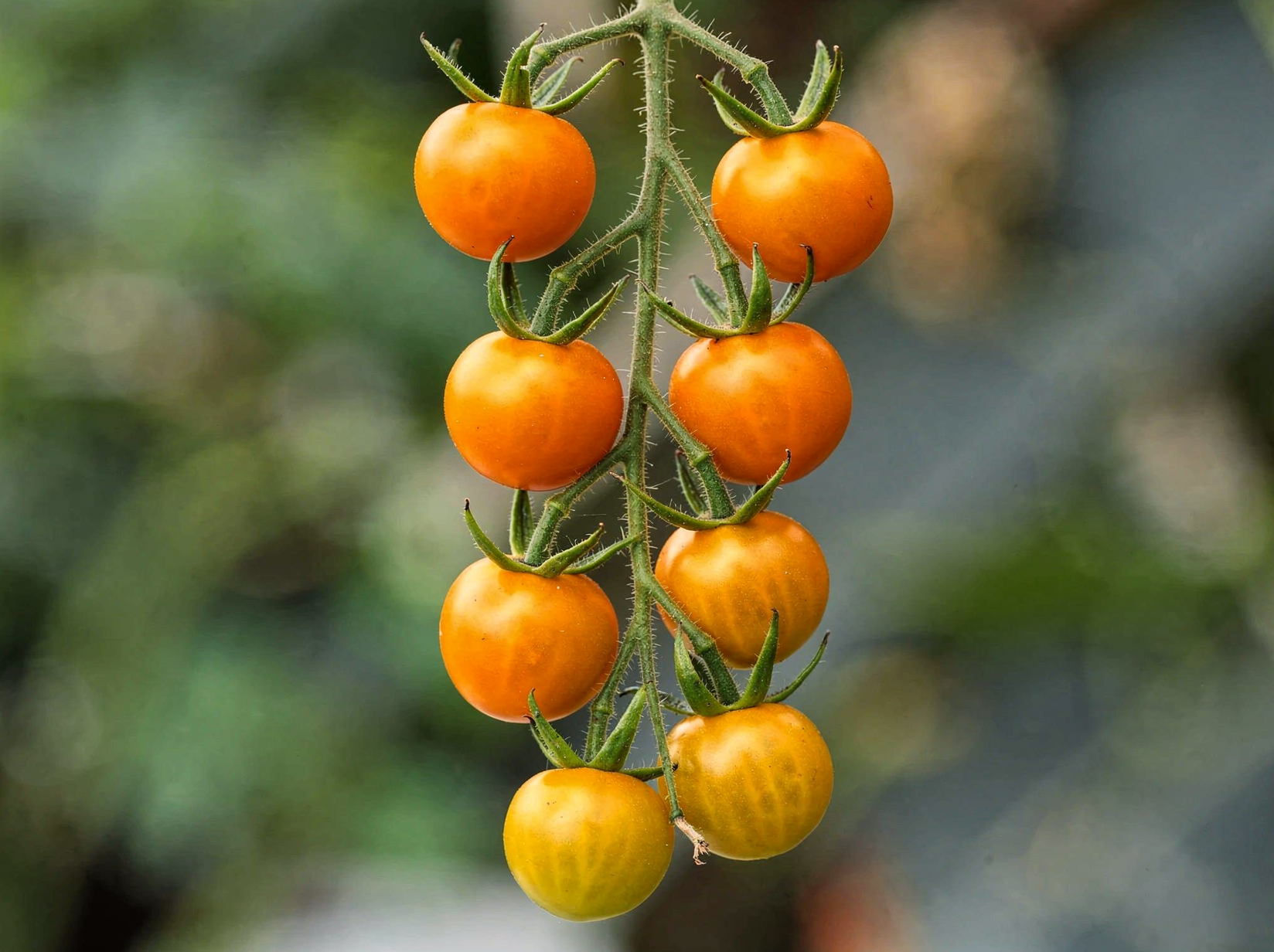
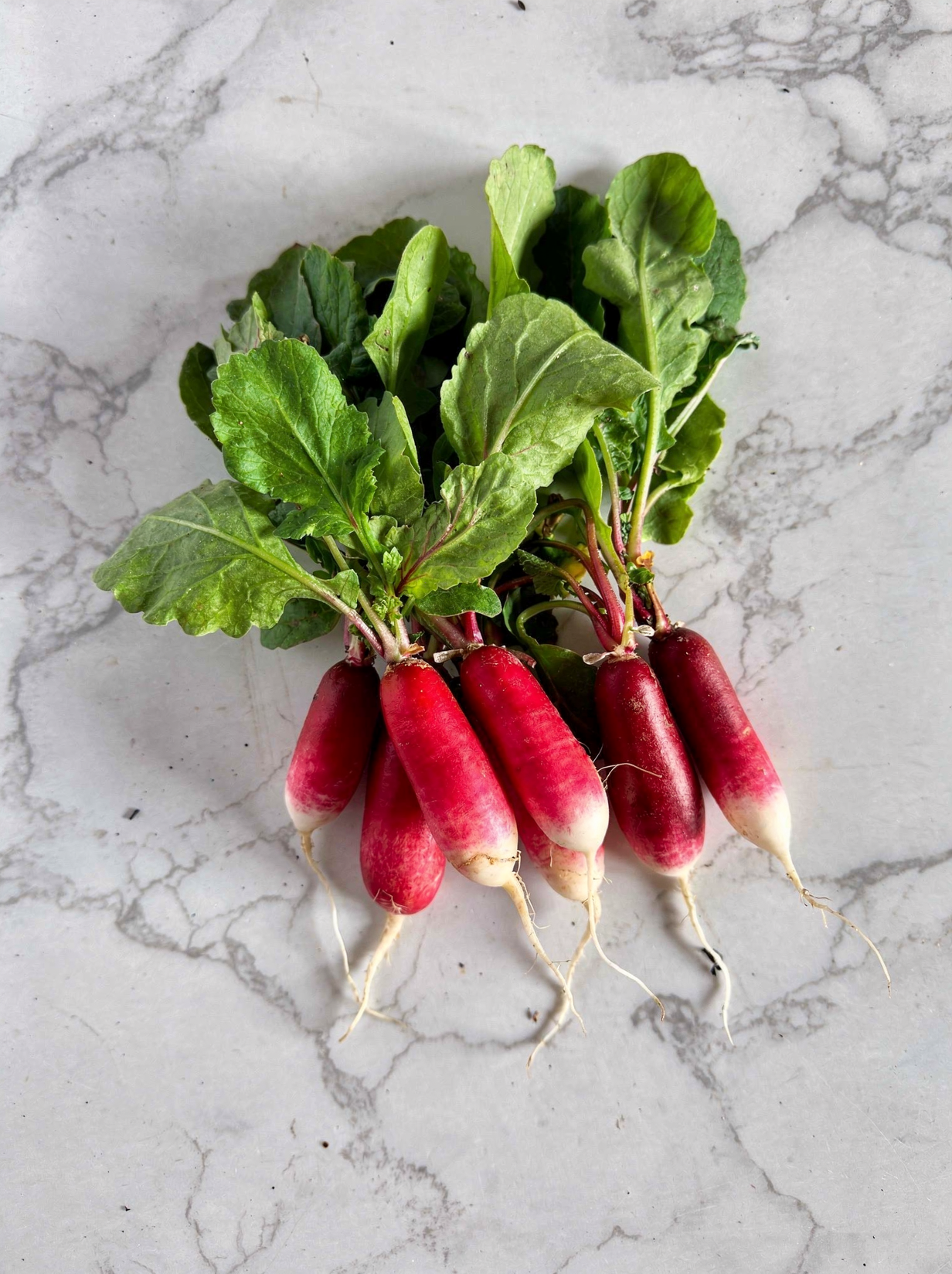
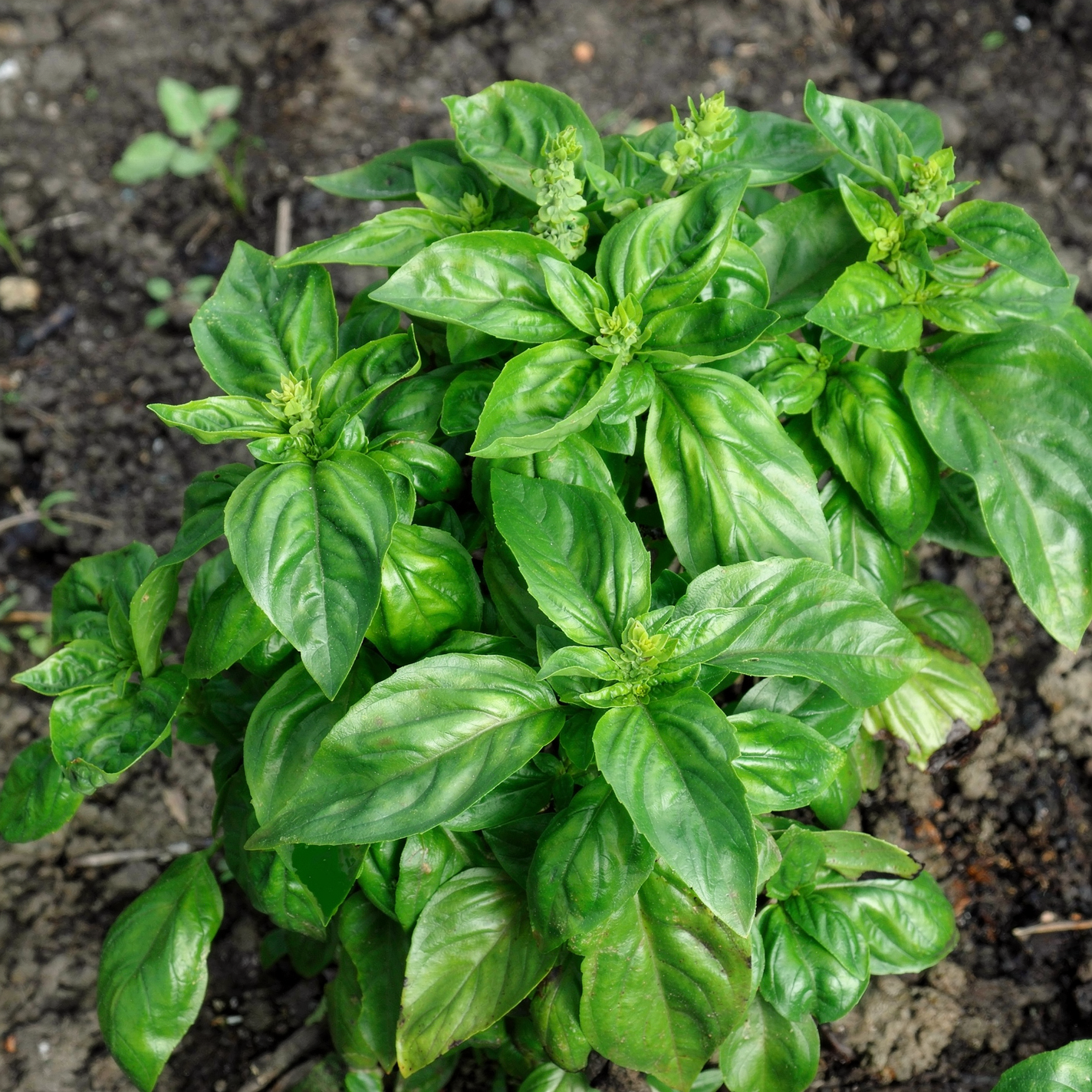
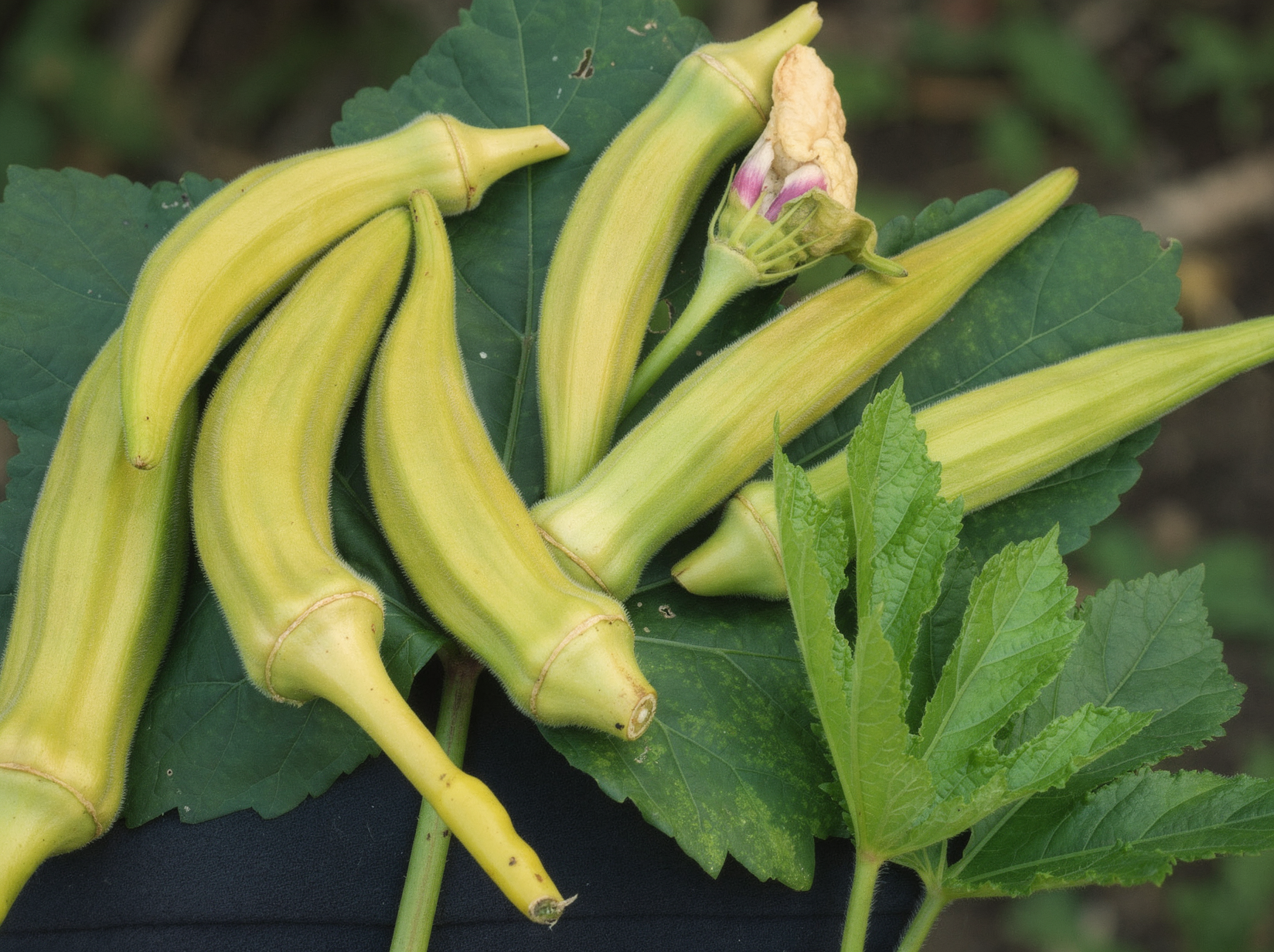
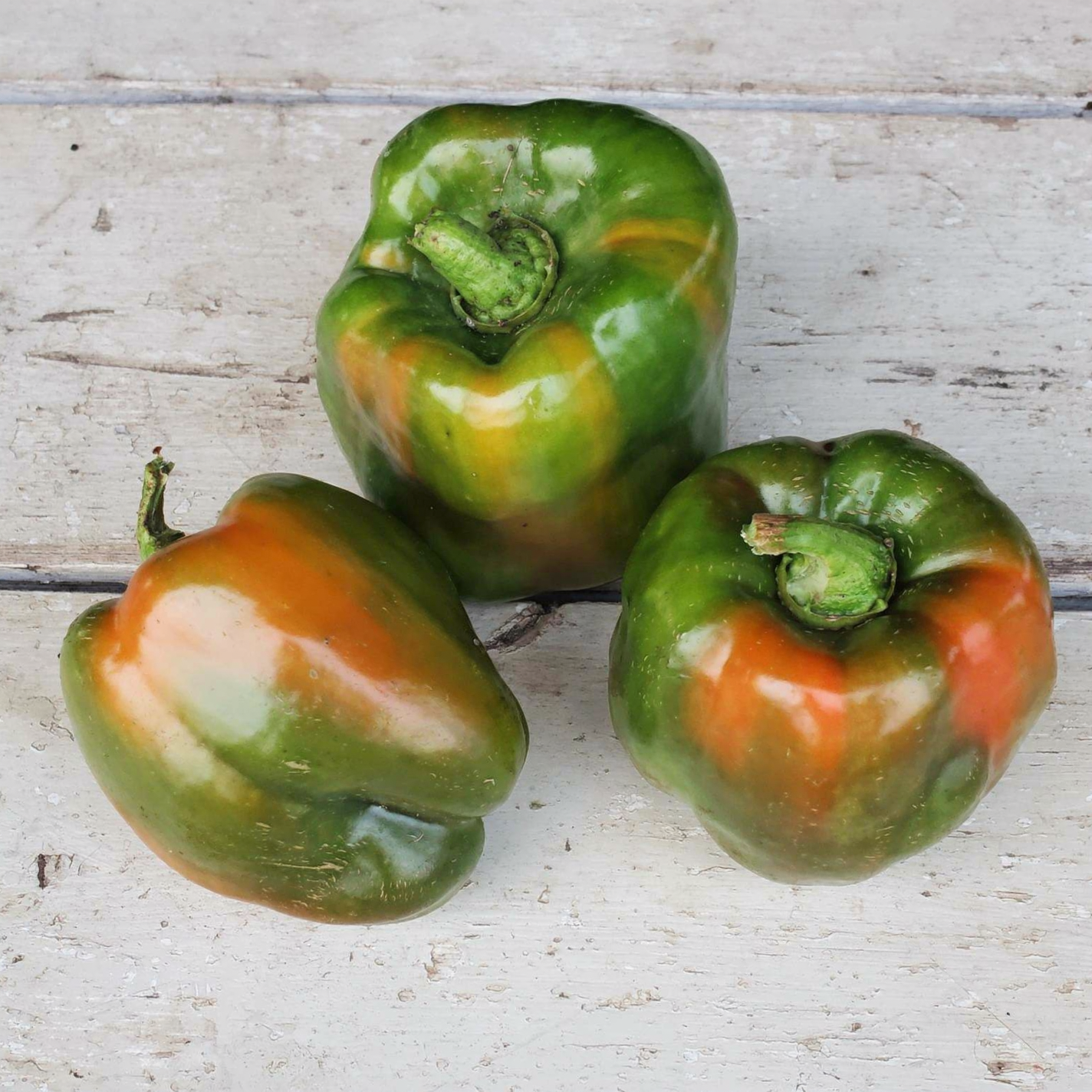
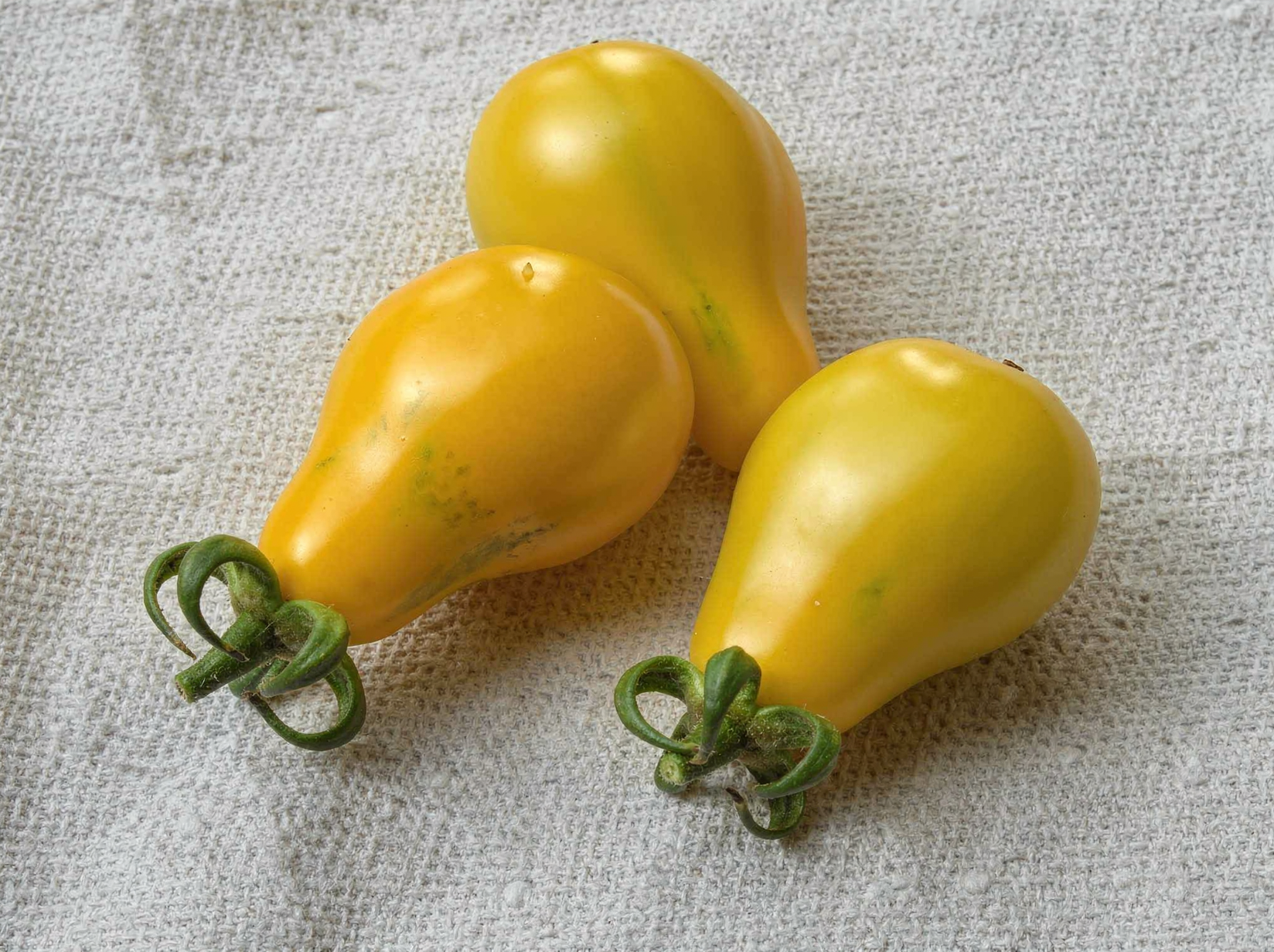
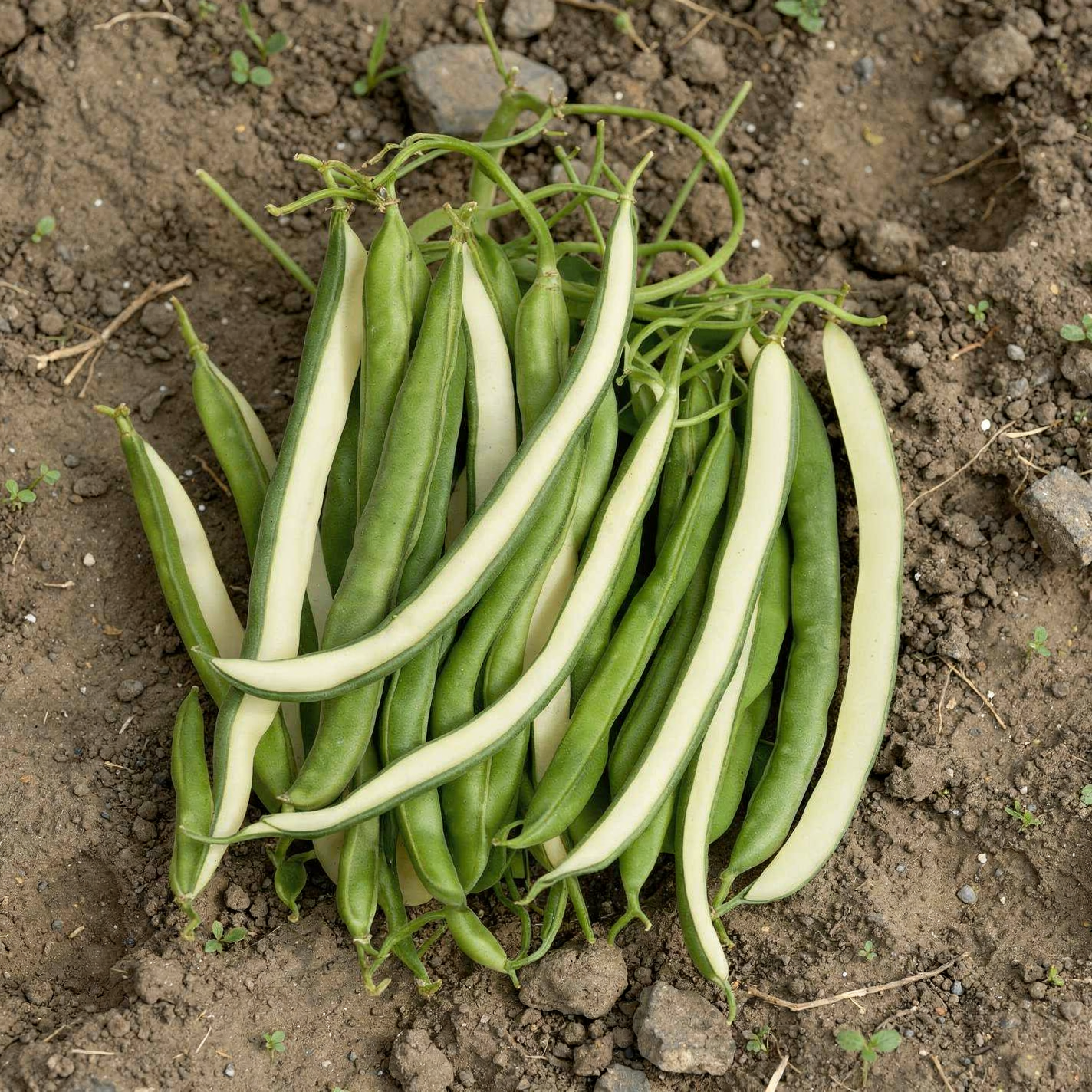
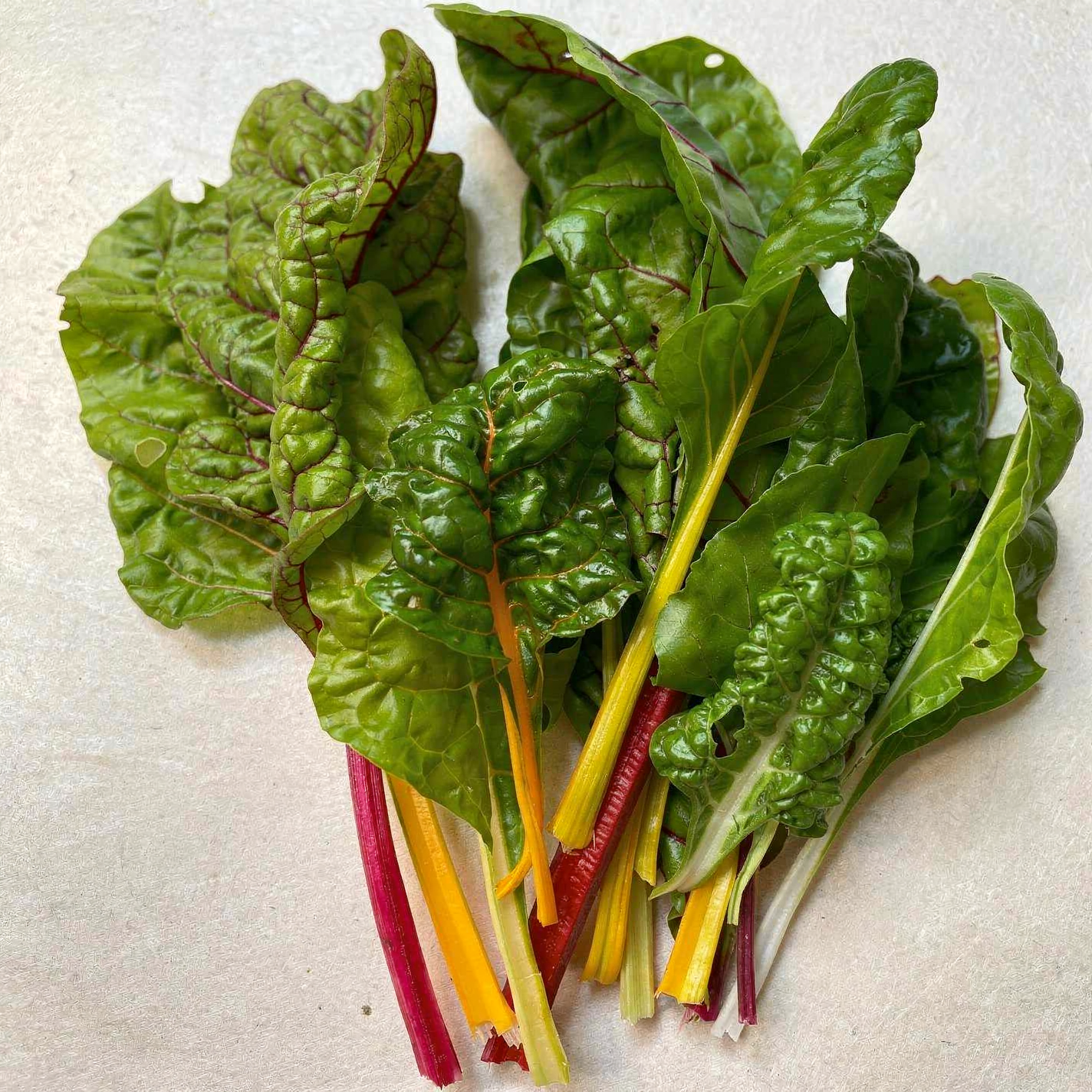
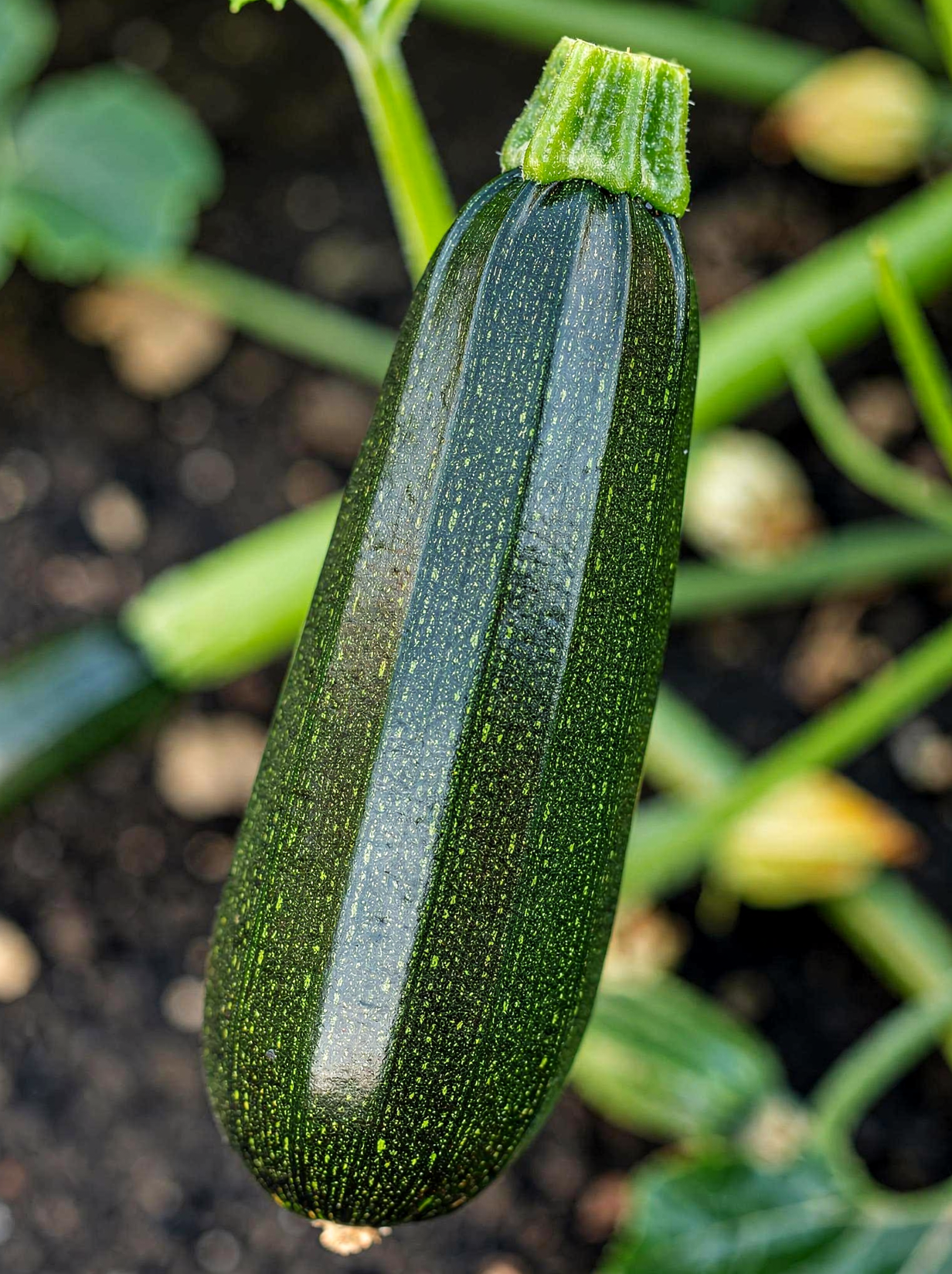
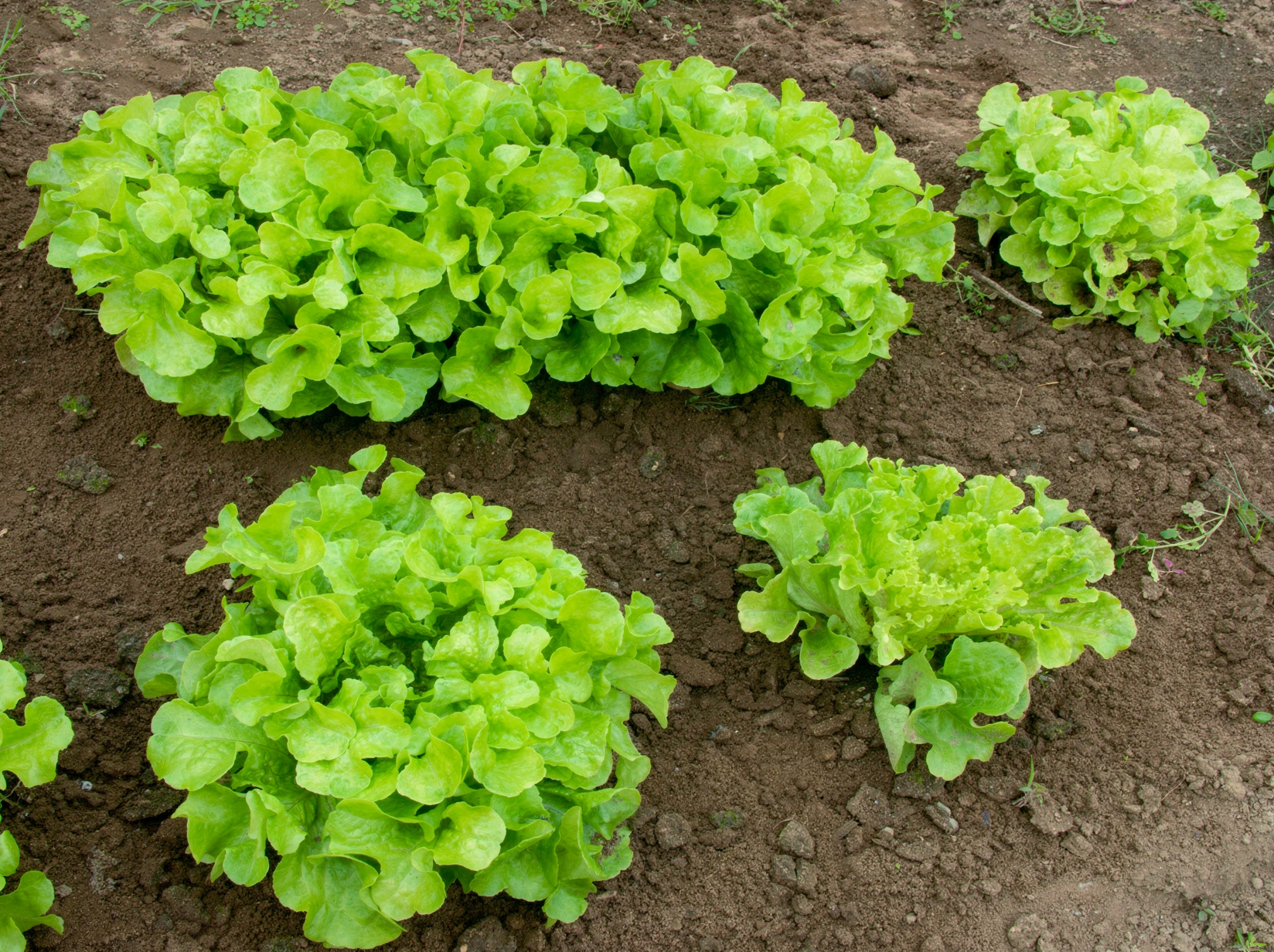
Every variety in the library carries an honest answer to one question: does it finish before your first frost.
III. The variety page
What a variety page knows.
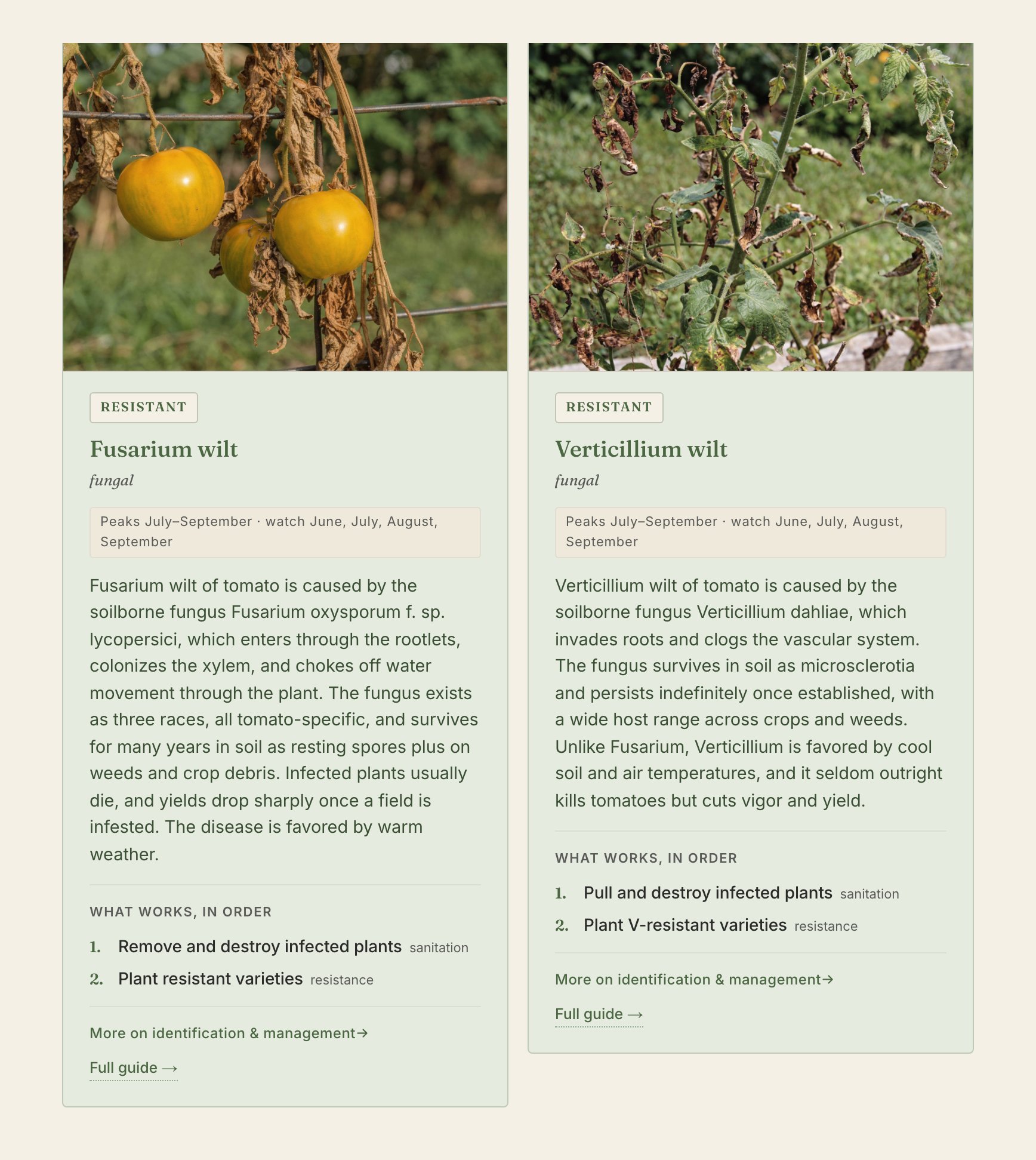
Here’s the Early Girl page, straight from the running app, with dates resolved for ZIP 35802, not for the nation.
Plate No. 2: From the running appapp.rowandbed.com/varieties/early-girl · June 12, 2026
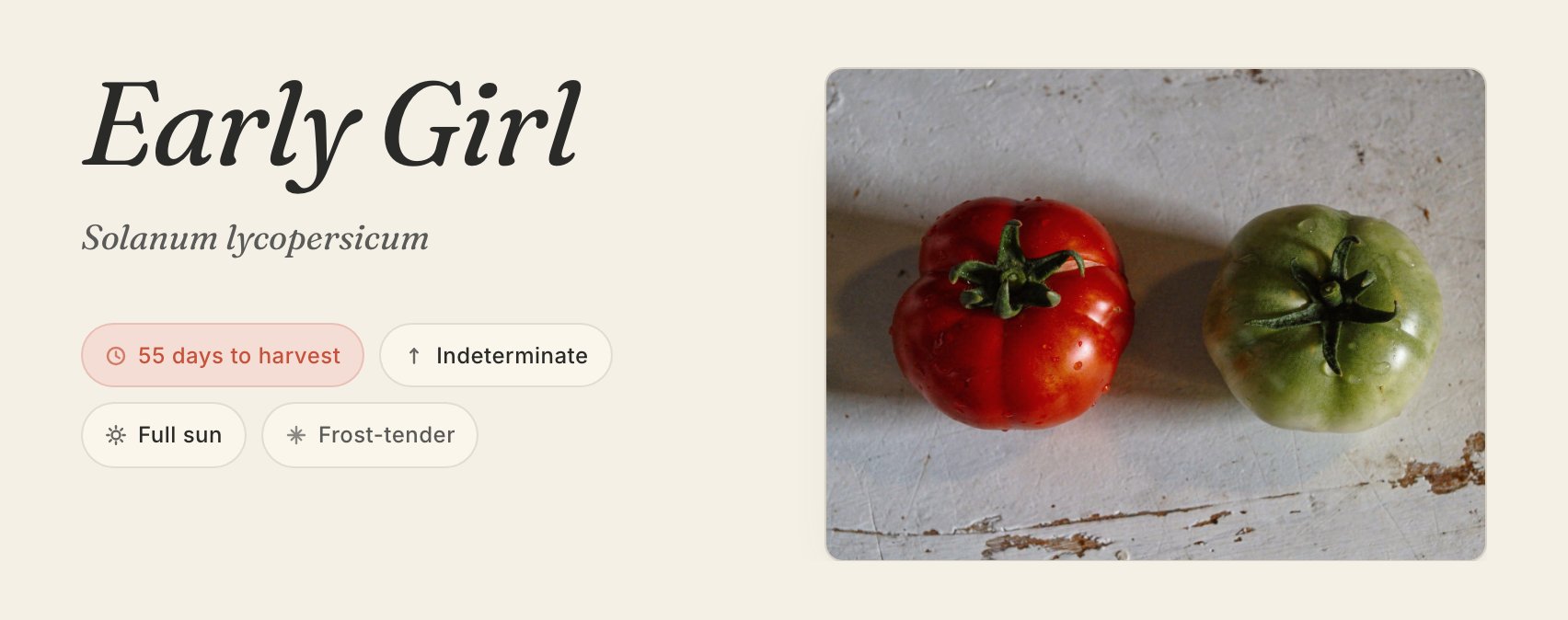
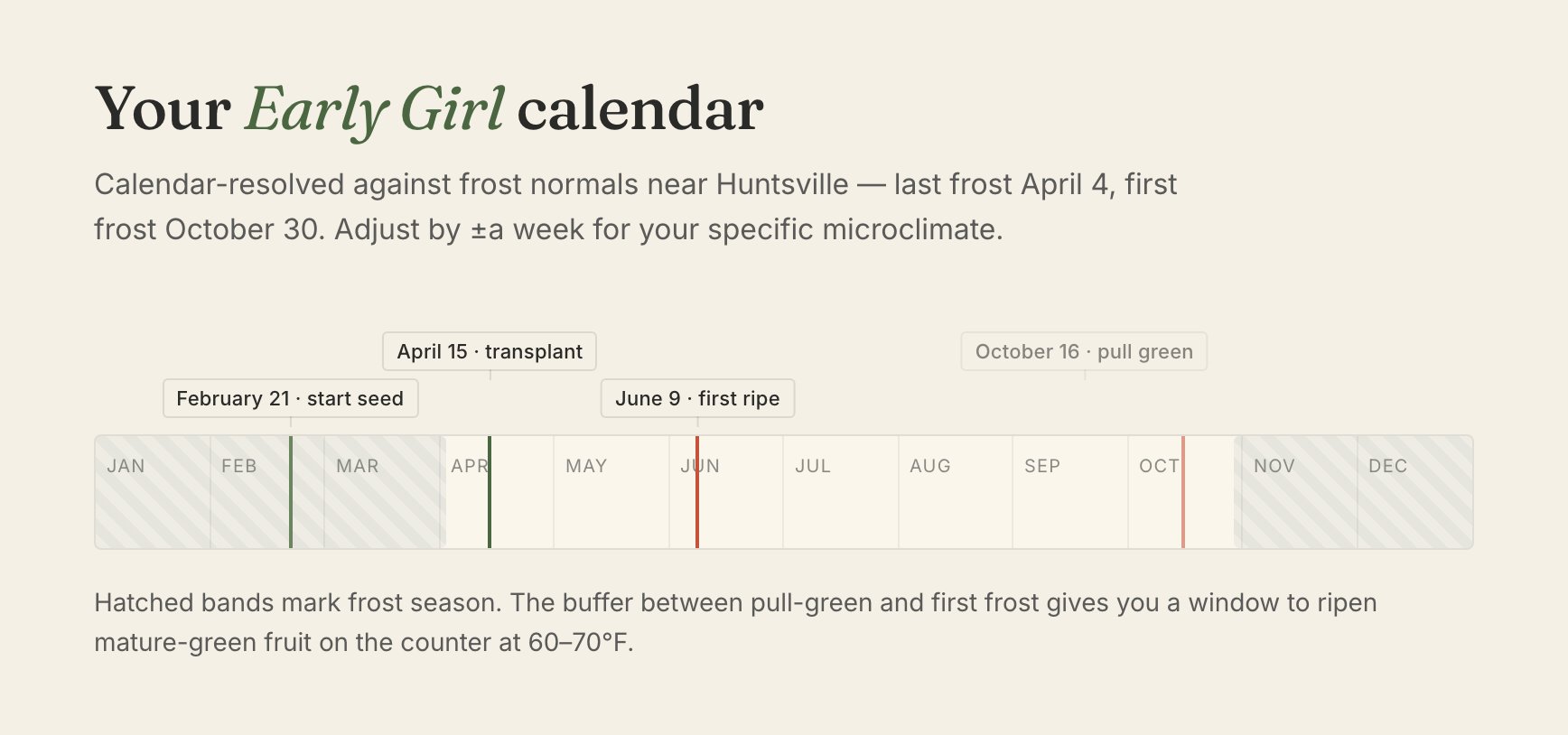
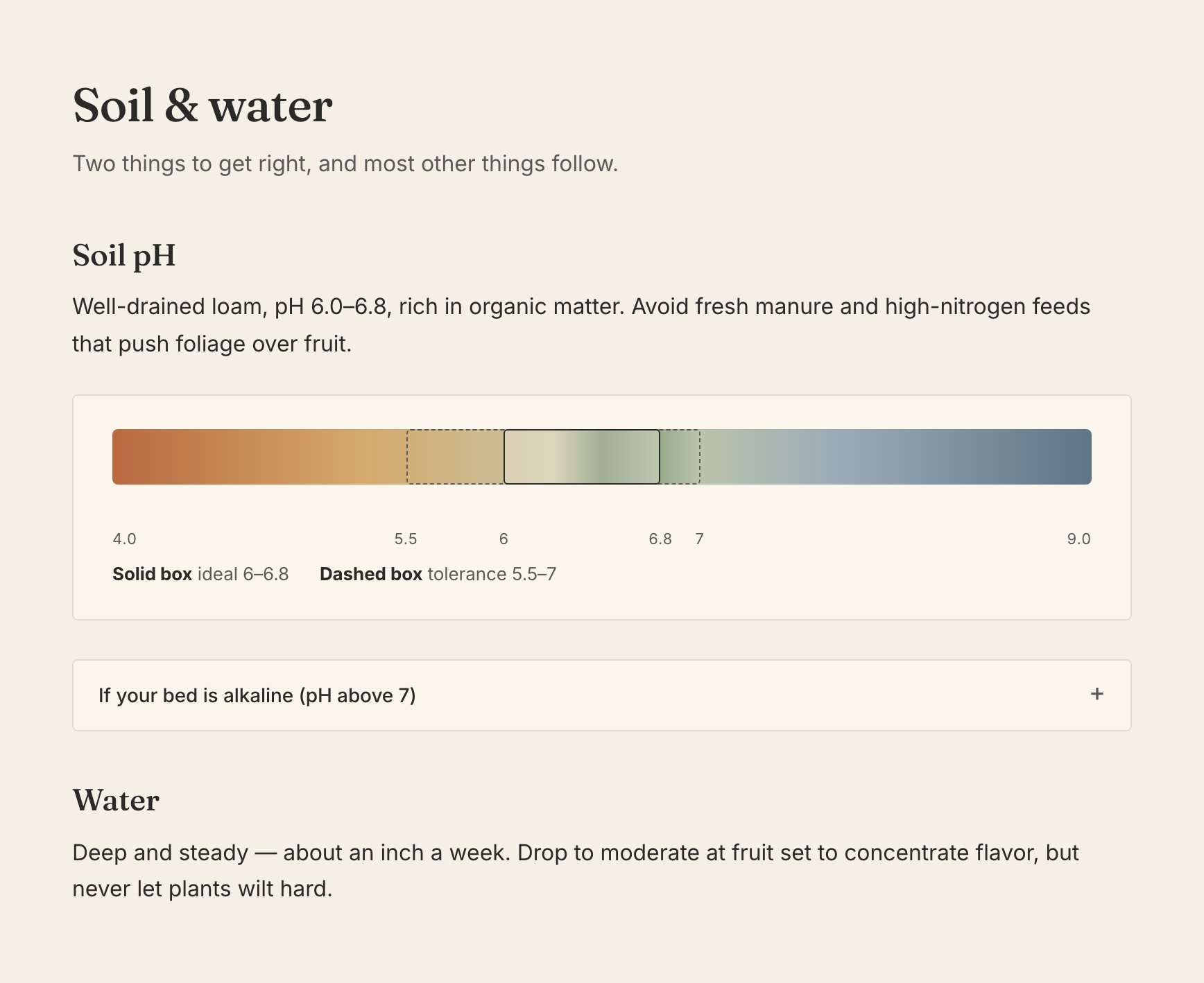
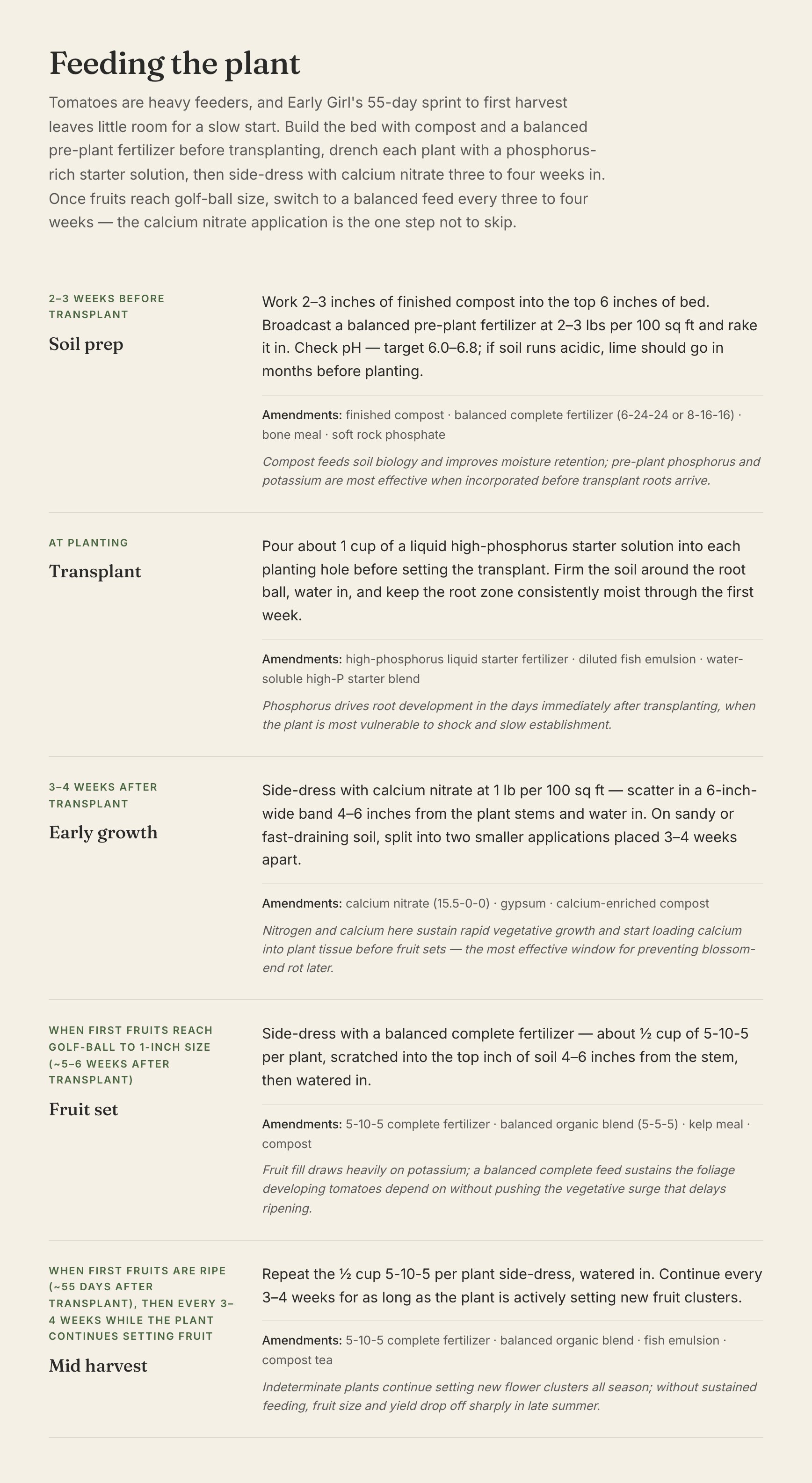
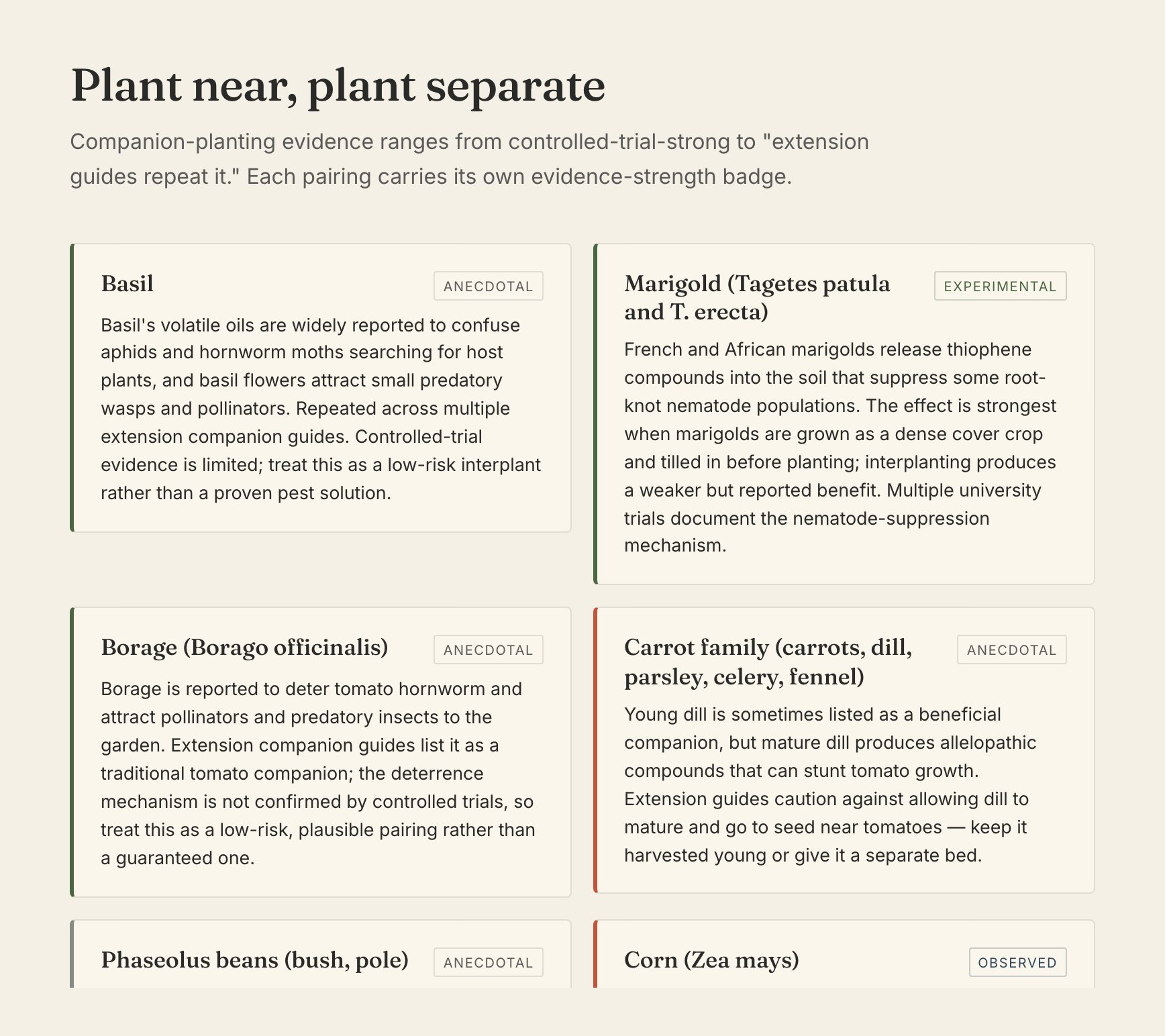
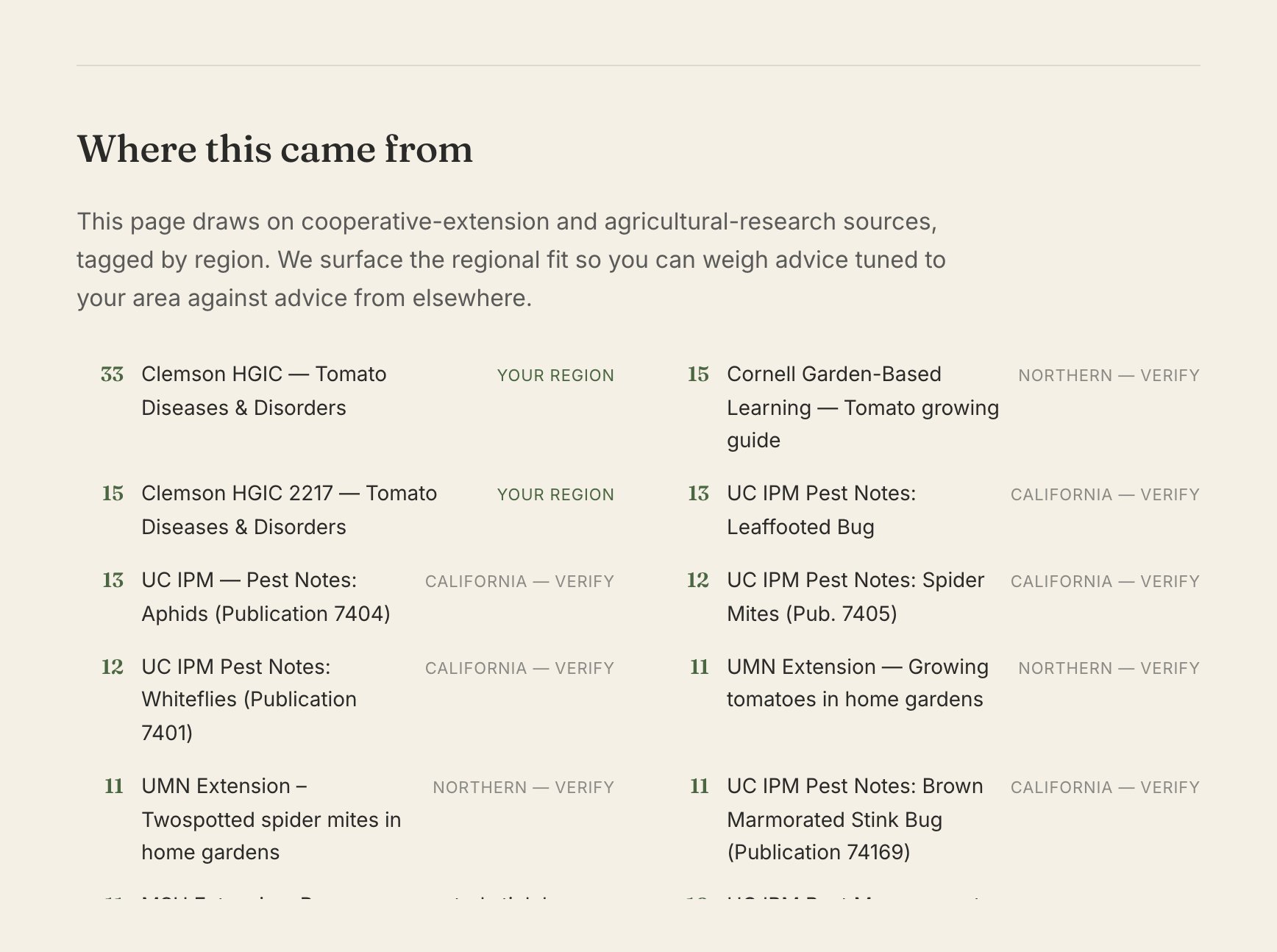
- Dates computed for your ZIP. Seed, transplant, first ripe, pull green, all resolved against Huntsville’s own frost normals, not a national calendar.
- Pests ranked for zone 8a. Peak months flagged, treatments ordered from gentlest up, beneficials called out so you know who to spare.
- A citation on every fact. And when we’re wrong, “Suggest a correction” is on the page. Verified fixes ship for every user.
IV. Know what you’re looking at
Name the thing on the leaf.
Every pest and disease has a page, pictured at the stage you’ll actually meet it, with a peak-month calendar and treatment ranked from gentlest to last resort. The allies get pages too, so you know who to leave alone.
What surfaces first comes from your beds. Early blight carries the flag below because this garden grows tomatoes, and July is its month in zone 8a.
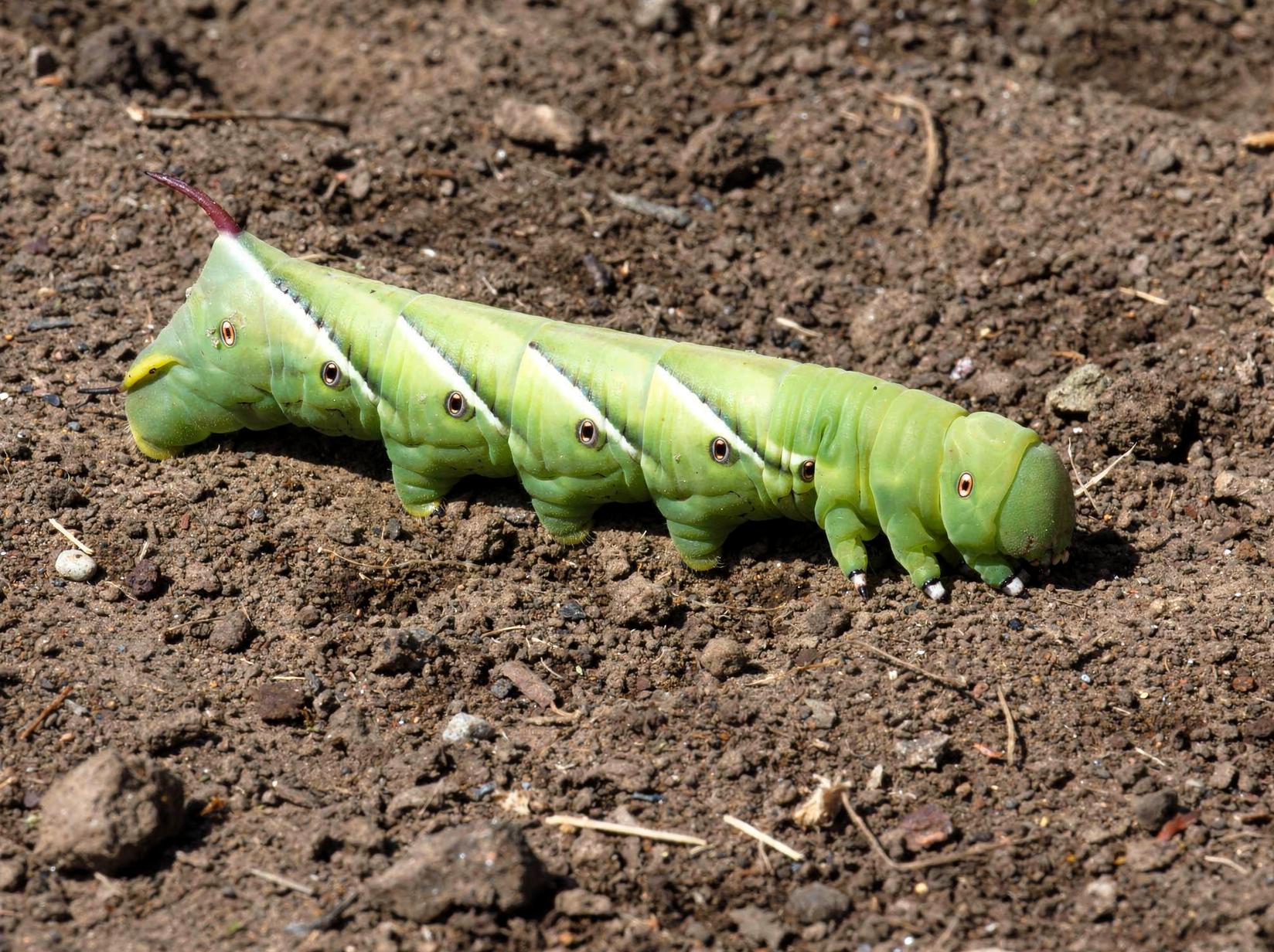
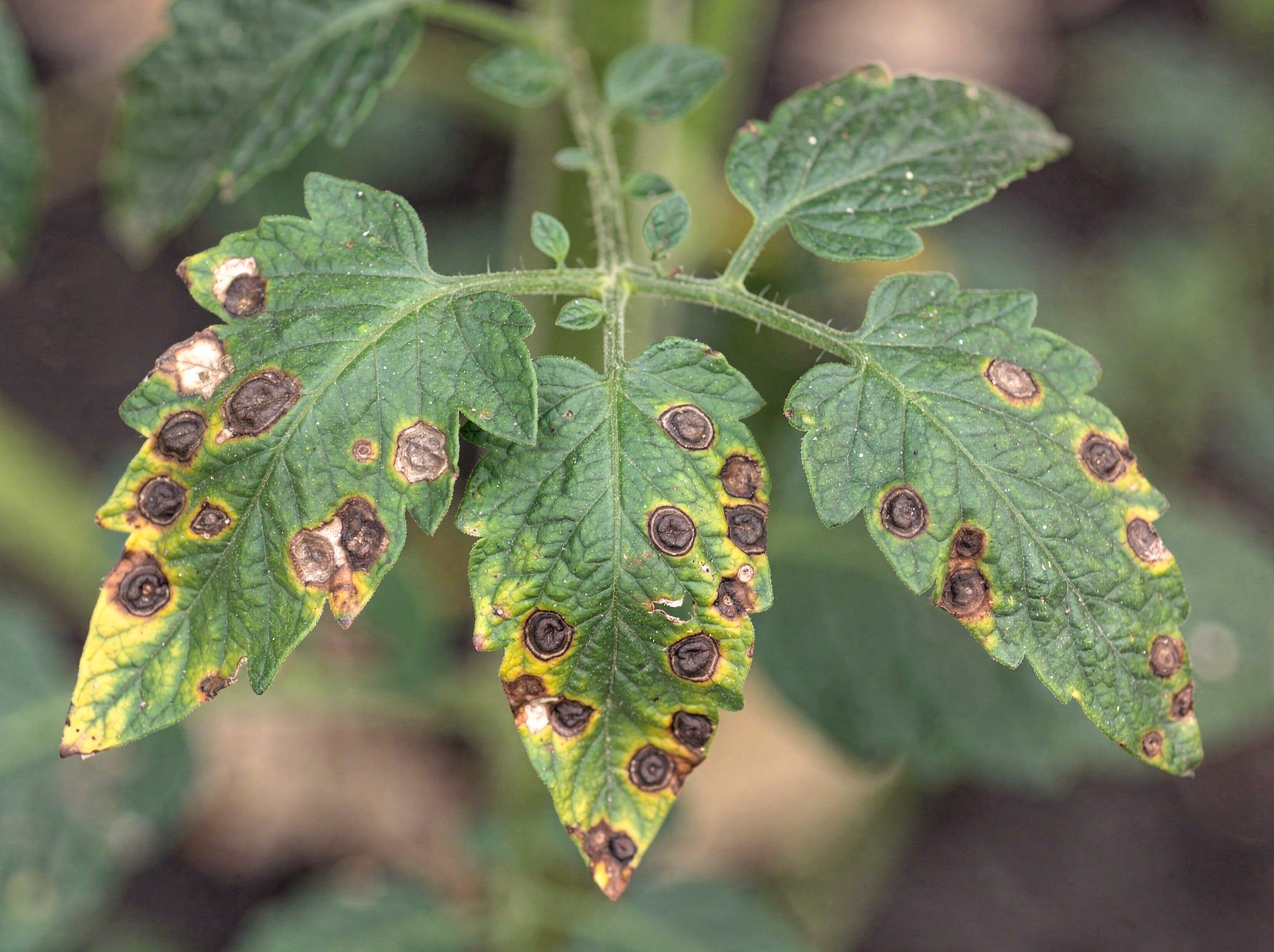
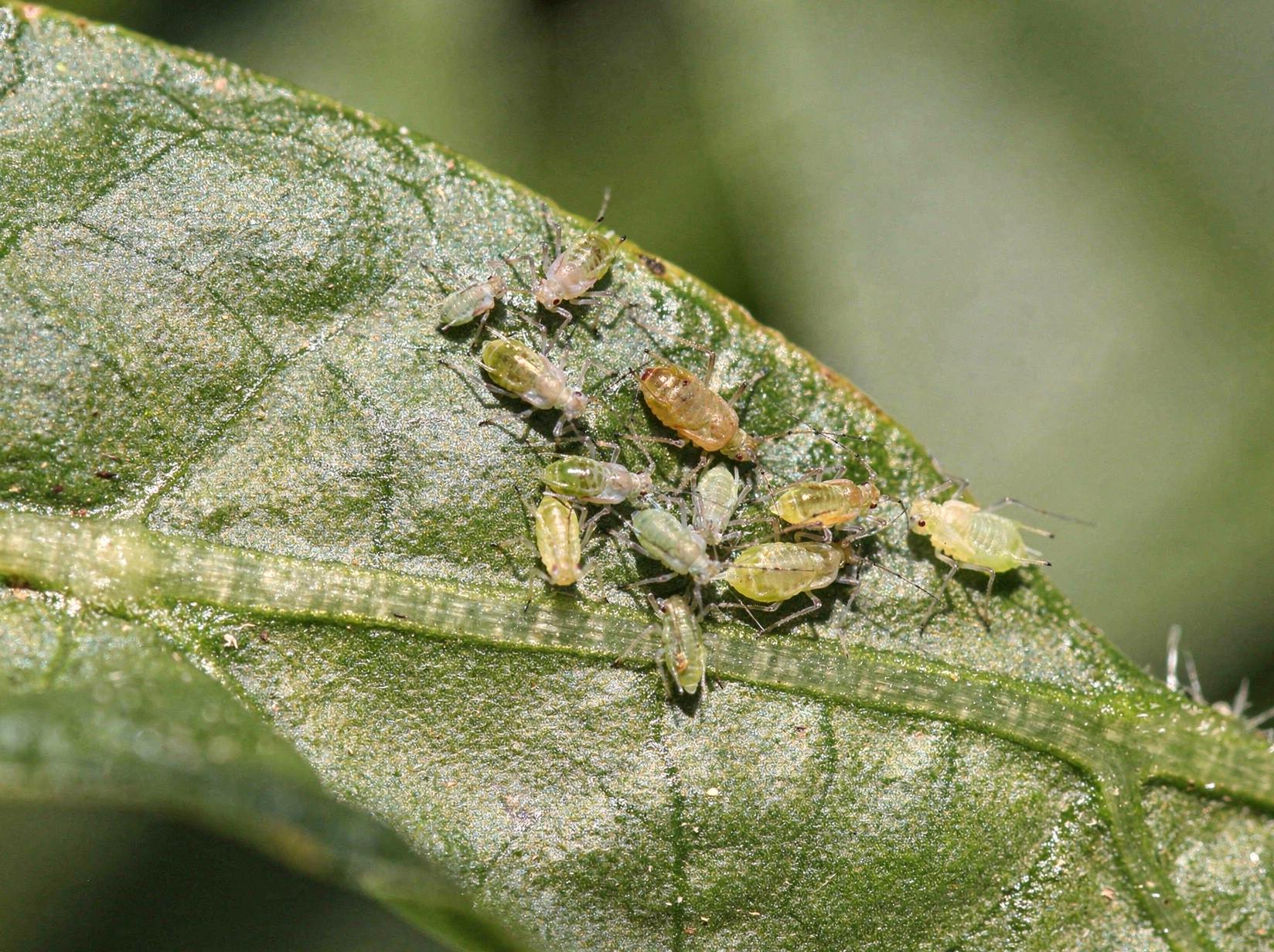
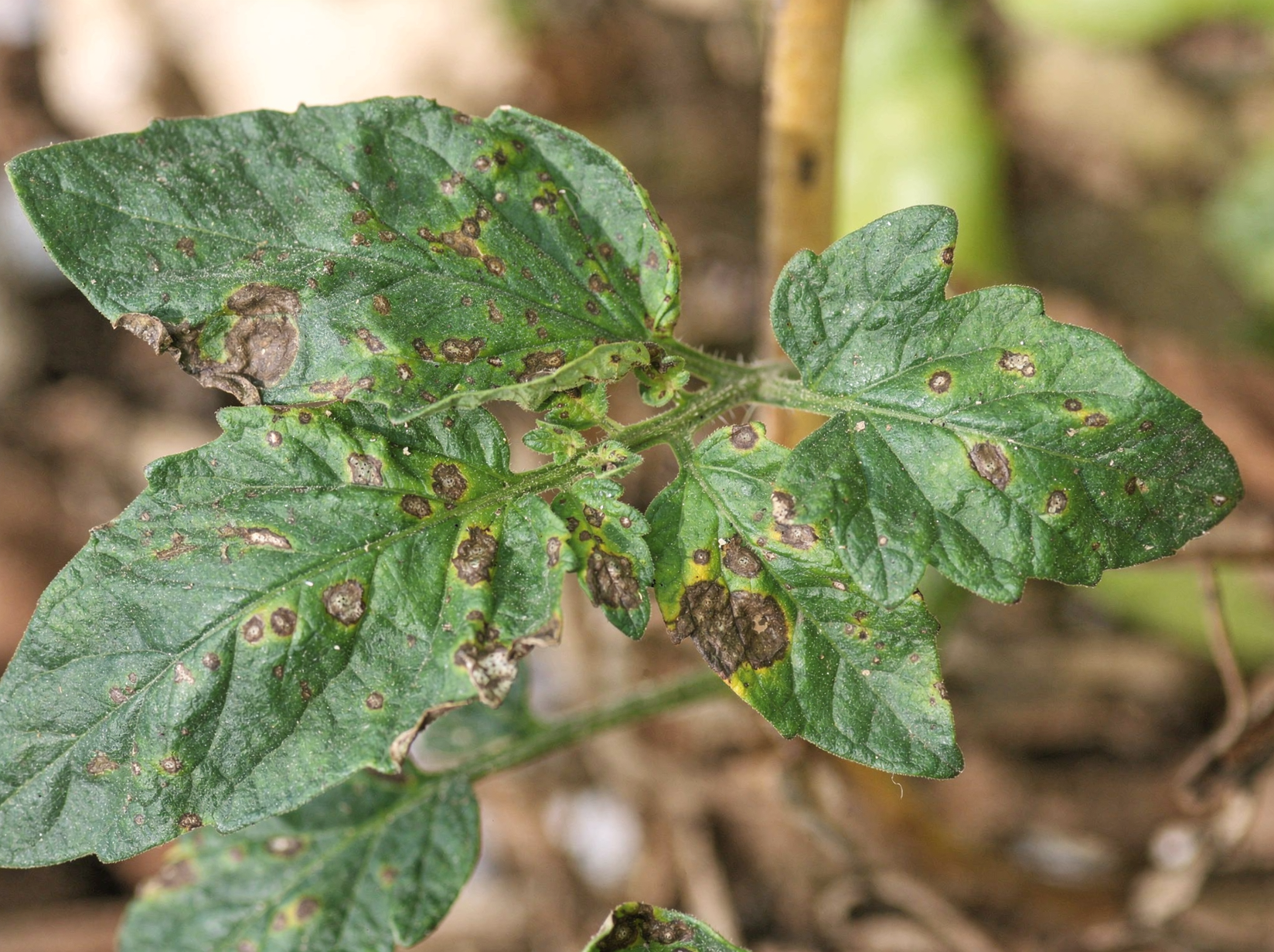
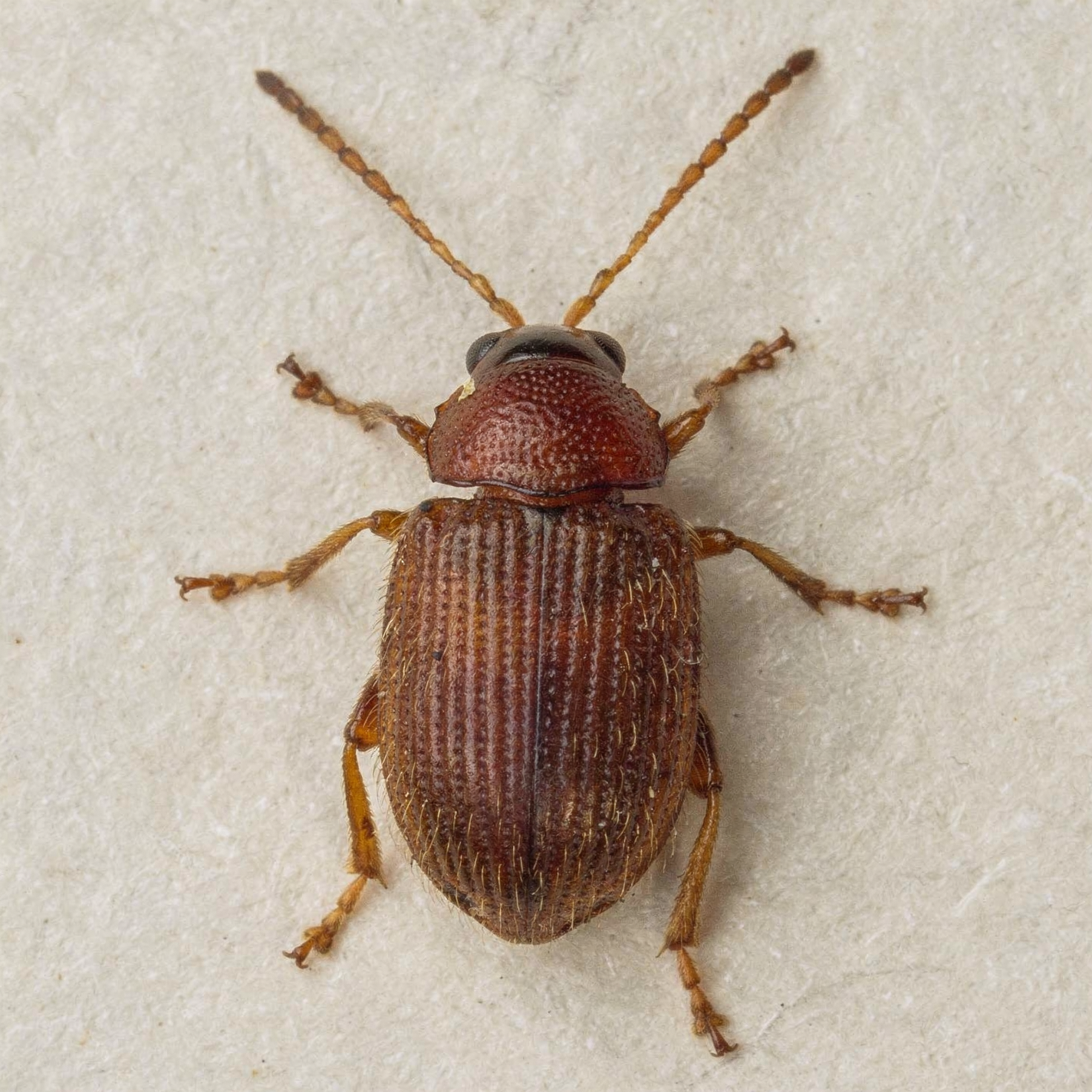
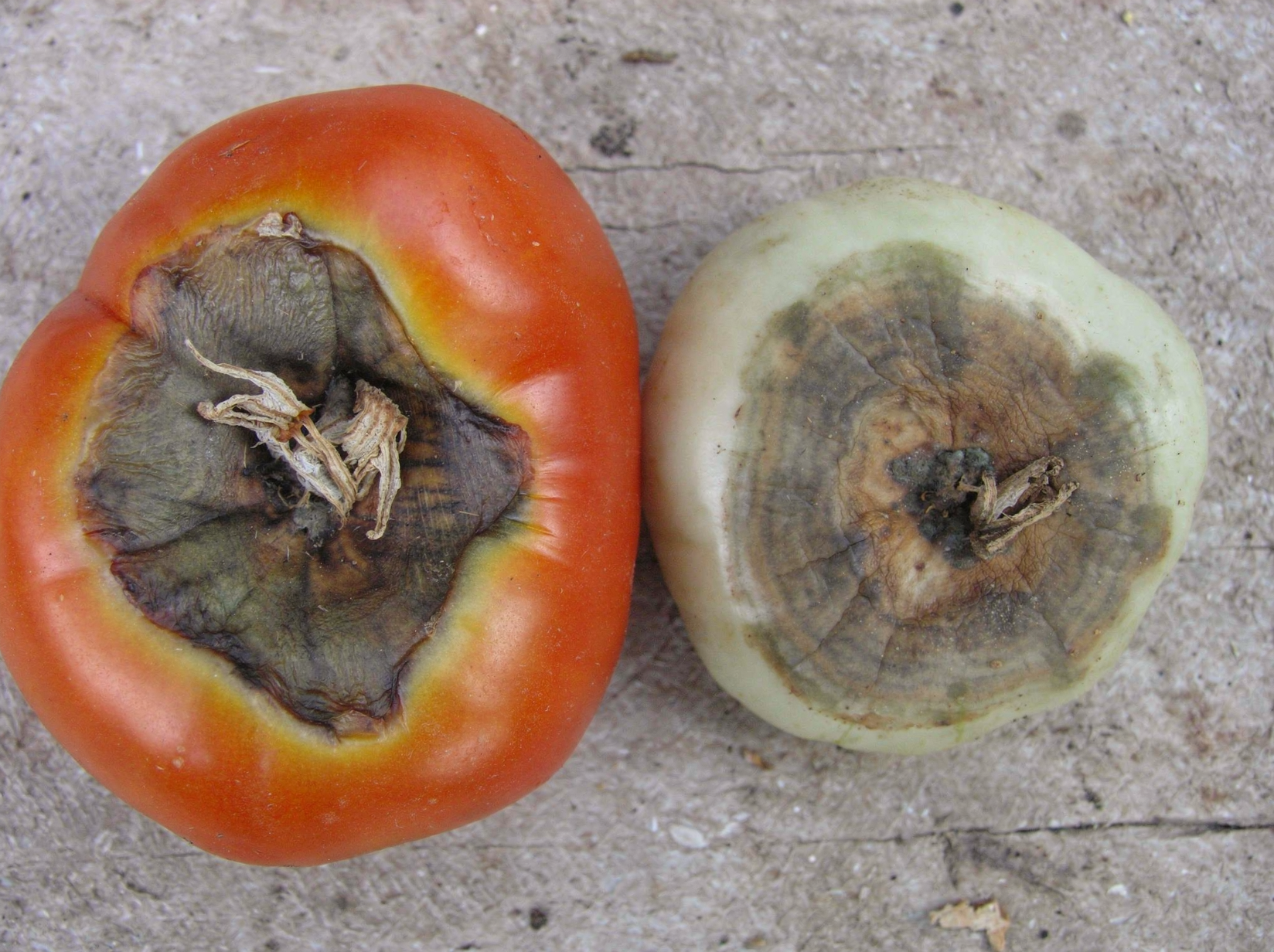
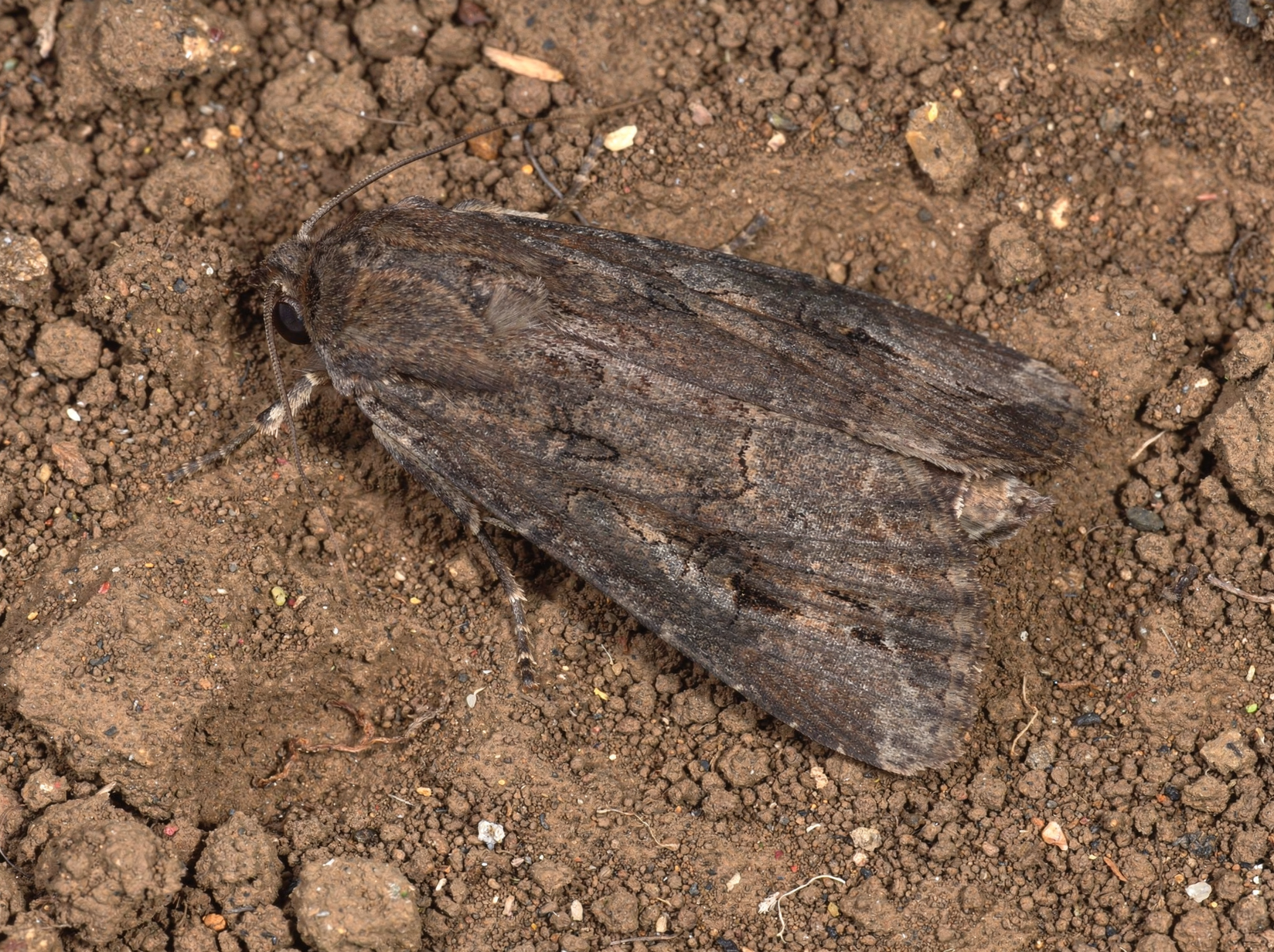
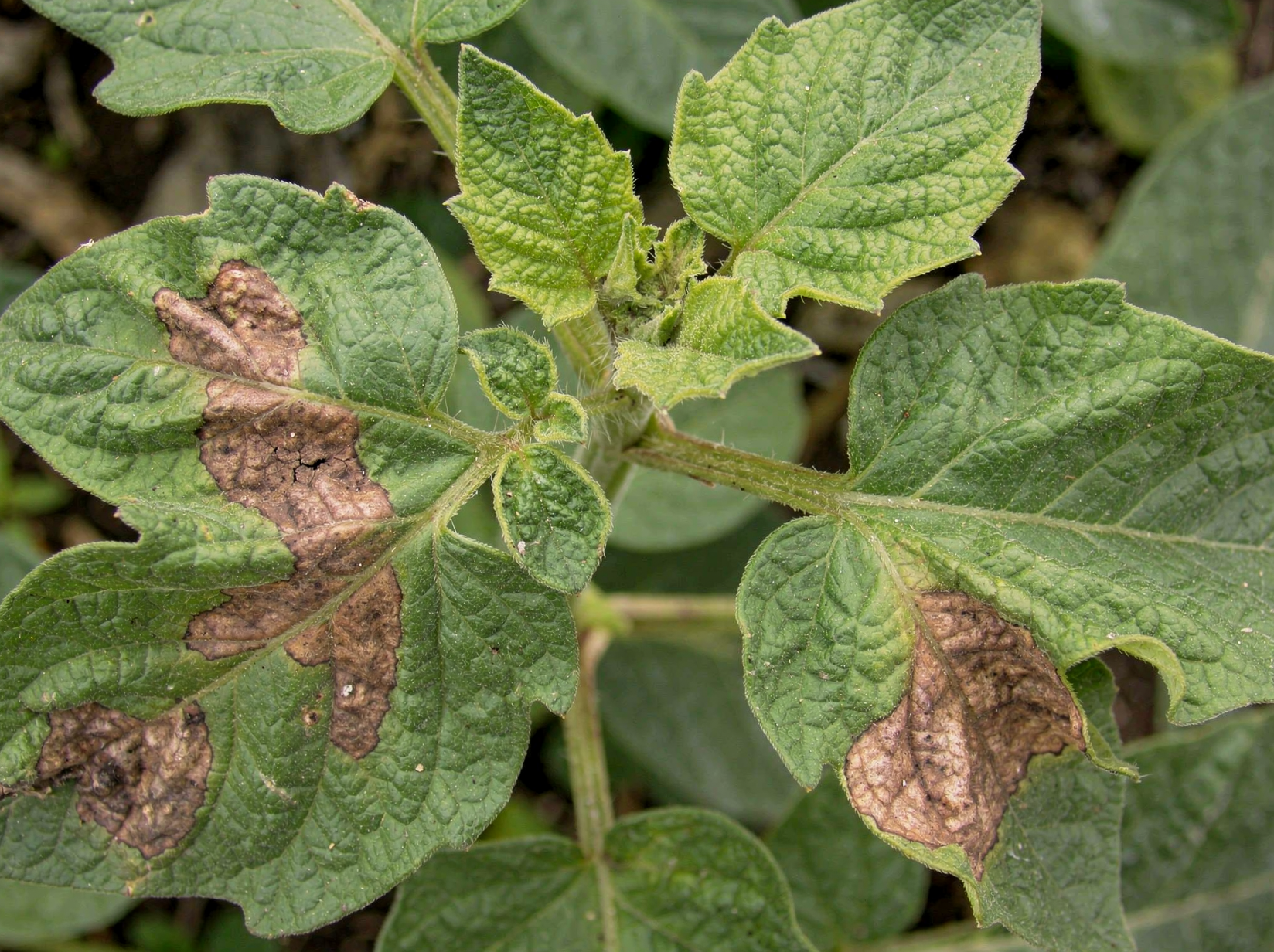
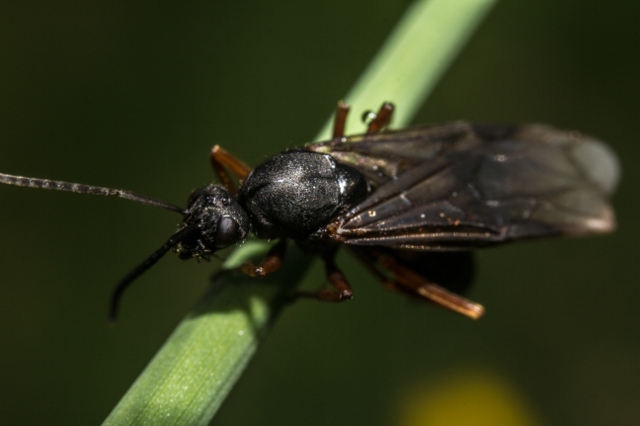
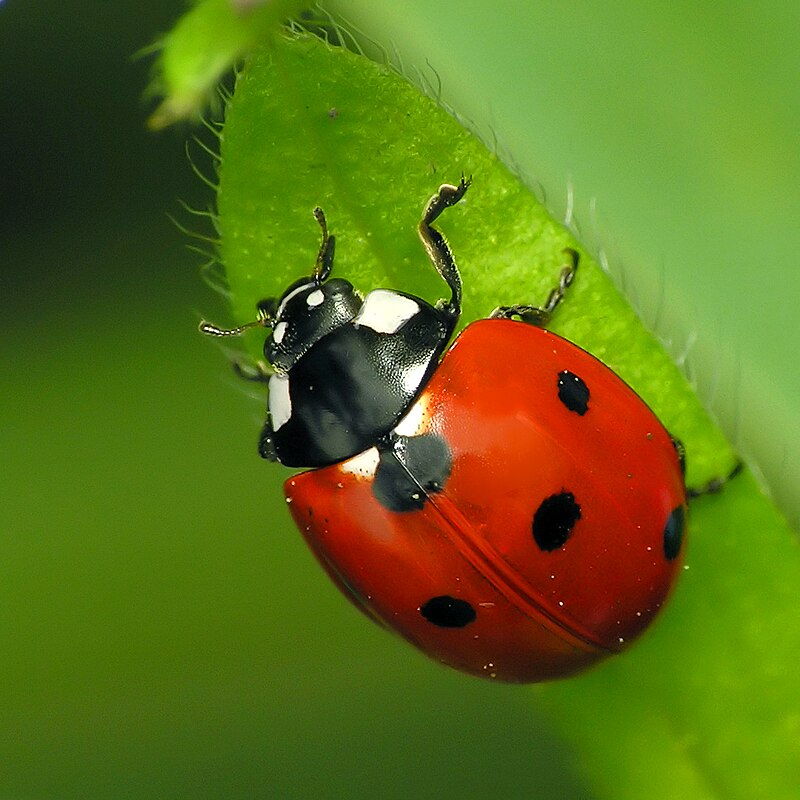
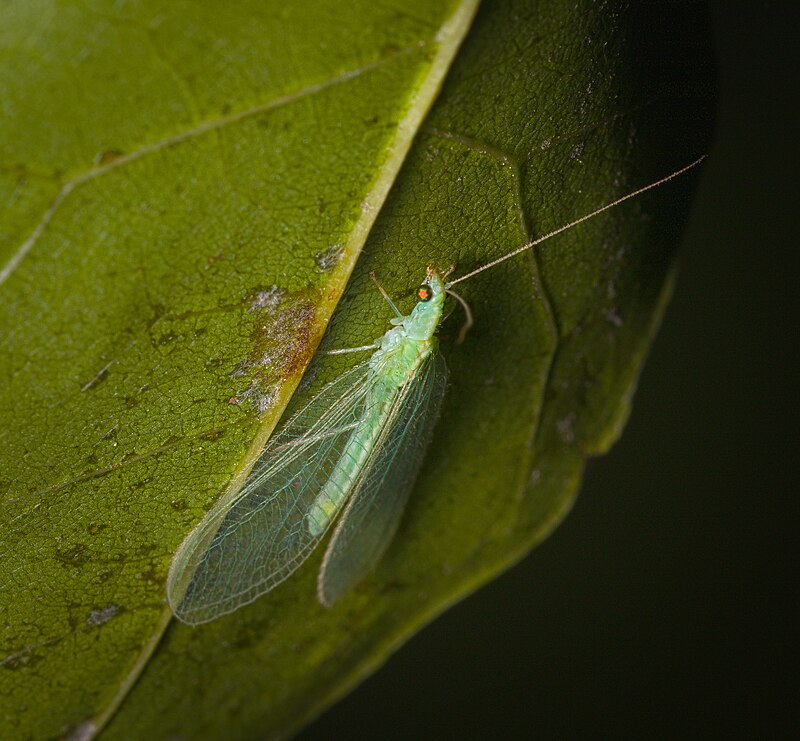
Every pest and disease in the library, identified, ranked, and cited.
V. The weather, synthesized
“Rained 0.7 inches overnight. Soil’s saturated through tomorrow. The tomatoes and peppers don’t need watering.”
Reading live rainfall…
That sentence is built from the NOAA grid cell directly over your garden (about a mile and a half on a side), not a county average or an airport reading from across town.
We track rainfall in both directions, what already fell and what’s coming, so the advice accounts for water the sky has delivered before it asks for any from your hose.
And when frost threatens your beds, you hear the evening before: one email, one sentence. “Frost Saturday night. Cover the tomatoes.” Silence the rest of the time.
By design
A few things we’re deliberately not.
Not a task list
No checkboxes, no completion streaks, no “3 things to do this Sunday.” The gardener is not managing a project.
Not a one-size-fits-all calendar
Every recommendation is anchored to your zone, your frost dates, and this week’s forecast, not a national calendar or a seed-packet guess.
Not for ornamentals or lawns
We focus on vegetables, herbs, and the perennials that go with them. Other tools are better for the rest.
Not the only thing you’ll use
We’re the reference you open on the way out the door. The garden is still the point.
A note from the founder
I built Row & Bed because I couldn’t find what I needed.
I’m a first-year gardener with a 25 by 50 foot plot in Huntsville, Alabama, zone 8a. I went in ambitious. I also went in without a good reference. What I found online was either too generic, too specific to someone else’s climate, or locked behind an app that wanted me to manage a checklist.
The information in Row & Bed comes from public sources: extension services, grower libraries, climate data. I’ve read carefully and done my best to get it right. I’m not promising it’s perfect. When something’s wrong, you tell me and I fix it.
Pricing
One plan. Everything included.
Annual
That’s $4.92/month, half the monthly rate.
Your subscription renews automatically at $59/year (or $10/month, depending on plan) until cancelled. Cancel any time at rowandbed.com/account.
Start with AnnualMonthly
Switch to annual any time.
Your subscription renews automatically at $59/year (or $10/month, depending on plan) until cancelled. Cancel any time at rowandbed.com/account.
Start monthlyNo free trial. US only for now. 30-day refund on your first purchase, no questions asked.
Questions
Asked before, answered plainly.
Why isn’t there a trial?
How does it know what works in my garden?
Where does the plant knowledge come from?
Does it work on my phone?
How do frost warnings reach me?
What happens if I cancel?
I grow flowers, houseplants, or a lawn. Is this for me?
Grow the plants you meant to, this year.
Set up your garden in under five minutes. Your zone, your beds, your plants, your forecast, all in one calm place.
Set up your gardenRow & Bed is an independent product and is not affiliated with, endorsed by, or sponsored by Cornell University, the University of Georgia, Oregon State University, any other university or extension service, Johnny’s Selected Seeds, Territorial Seed Company, Baker Creek Heirloom Seeds, Charles Dowding, Eliot Coleman, Barbara Damrosch, NOAA, the USDA, or any other organization or individual referenced on this site or in the app. We use publicly available information from these sources and cite them where appropriate. All trademarks and copyrights belong to their respective owners.