For vegetable gardeners · US only
The two dates your whole garden hangs on.
Enter a US ZIP. We pull from 30-year NOAA climate normals, not almanac averages, not the Farmer’s-Almanac guess. Good data beats folk wisdom.
Used once to pull your NOAA grid cell. We don’t store it.
NOAA 1991–2020 climate normals·… 35802
Going deeper
Why “—” and what a careful gardener does with it.
— isn’t the day frost stops. It’s the day the odds tip. The headline date is the 50-percent probability date from NOAA’s 1991-2020 normals. Across thirty years of records at the station nearest this ZIP, half of your town’s final spring freezes landed before it, and half landed after. A normal is the middle of a spread, not a fence.
So the right planting date isn’t one date. It’s a choice about risk, and the right amount of risk depends on what’s going in the ground.
| Last-frost odds | Date | Season to — | What it’s for |
|---|---|---|---|
| … | — | — | Reading the normals for 35802. |
Season lengths count to —, itself a 50-percent date. Fall frost deserves the same hedging, from the other direction.
Hedge with the date that matches the plant. A frosted pea shrugs. A frosted tomato is over.
Shrugs: peas, lettuce, spinach, kale. Over: tomatoes, peppers, basil, cucumbers.
The source
Thirty years of records, not a rule of thumb.
Your dates come from NOAA’s U.S. Climate Normals: the 1991–2020 window, built from three decades of quality-controlled daily records at the stations around your garden. Enter a ZIP and we read the closest station’s record. Your numbers, not a statewide average.
Normals are rebuilt once a decade because climate moves. A frost table printed from the 1981–2010 window is a full decade stale. We track the current one, and your dates update when NOAA’s do.
Guide
Now see what fits in those days.
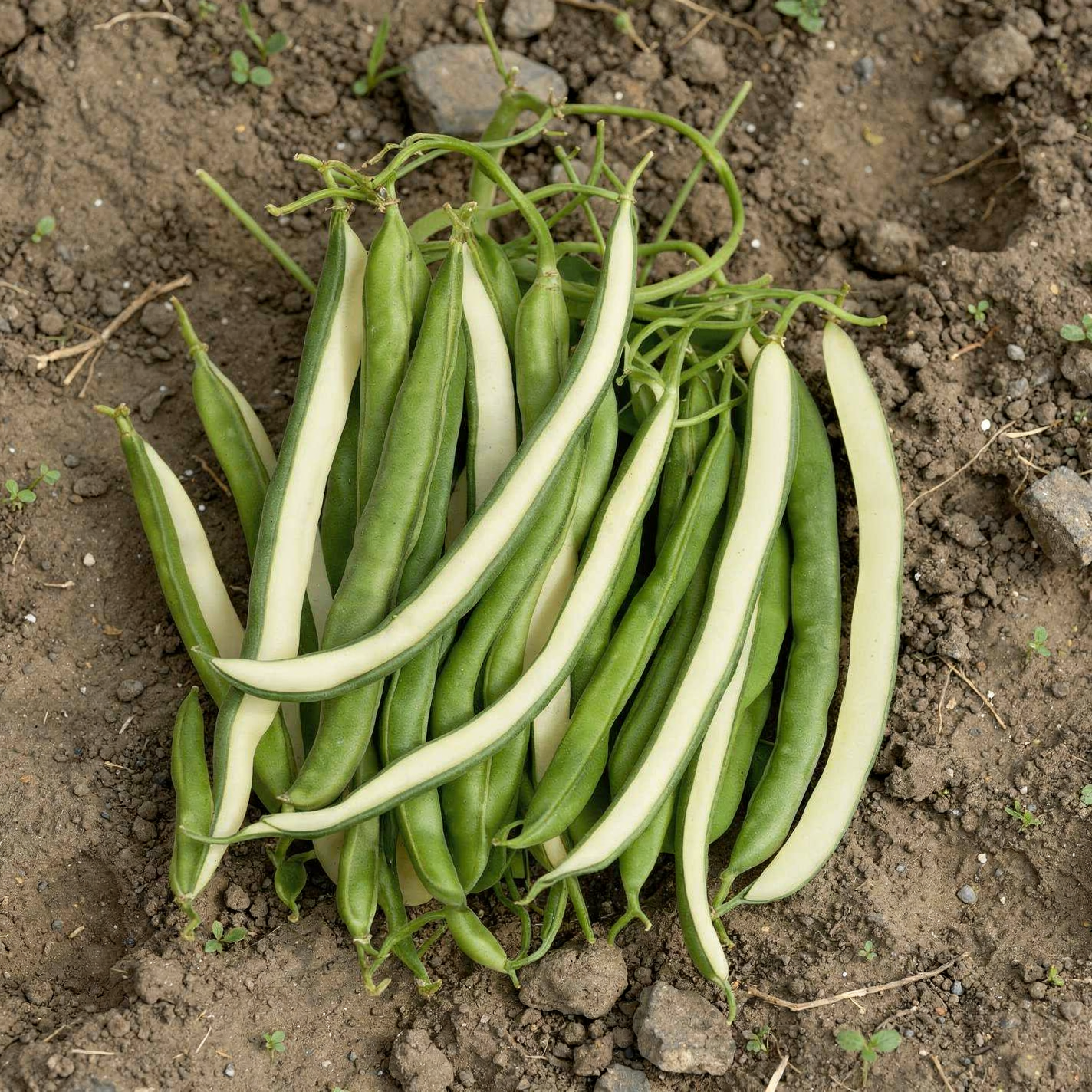
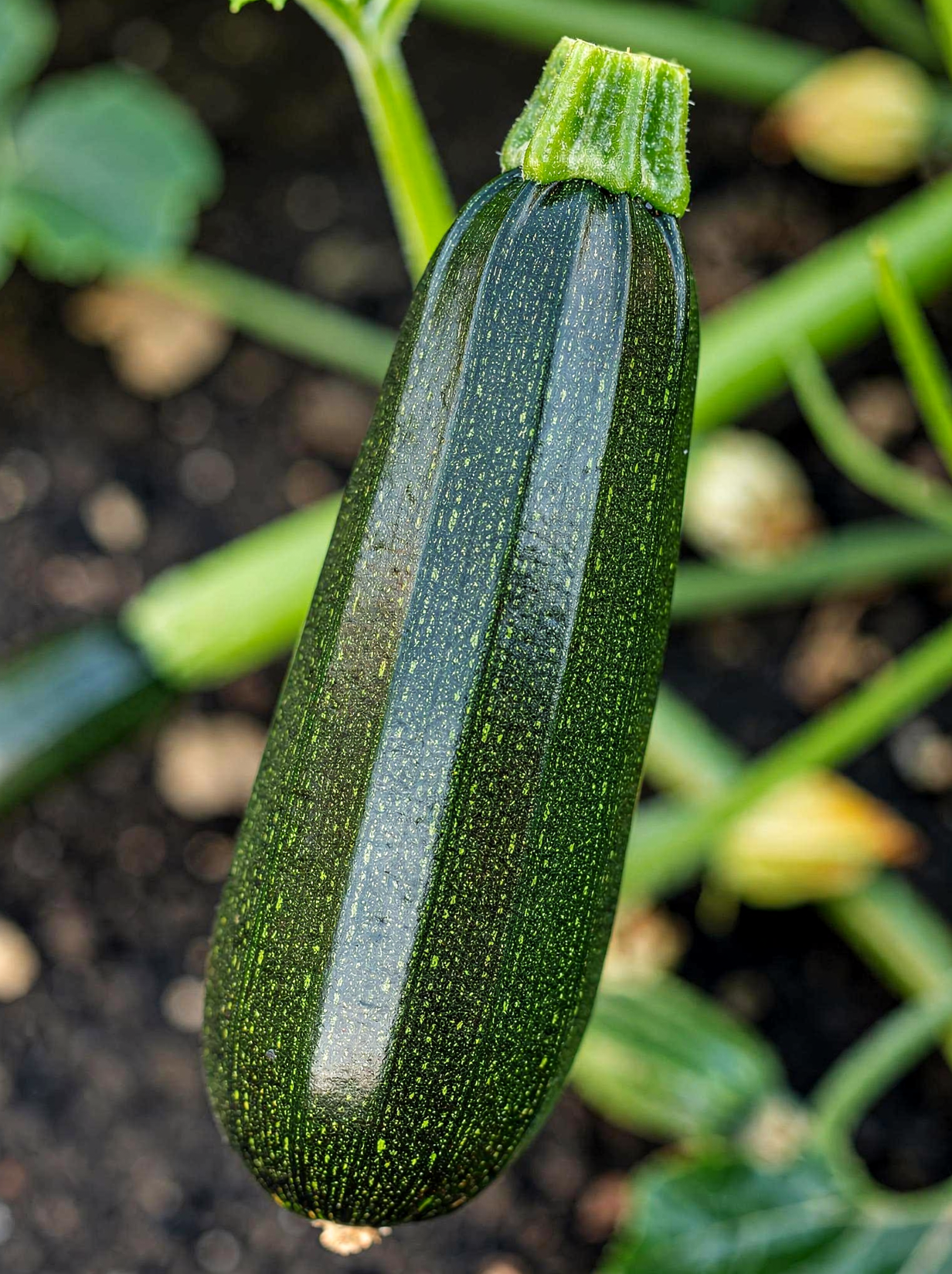
The crops that still start cleanly in 35802 today, with the variety we’d choose for each. Every one finishes before —.
See what to plant in 35802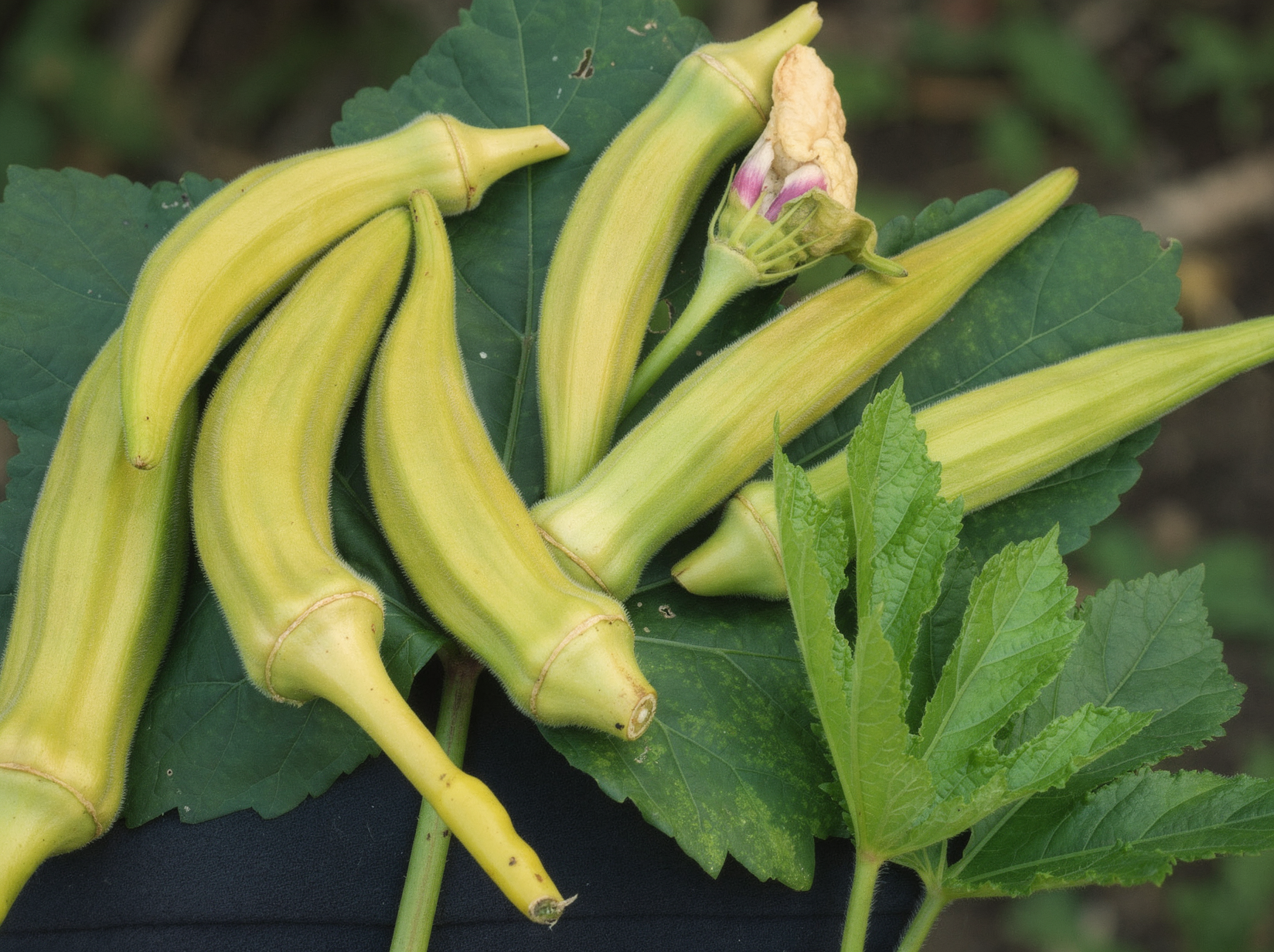
Beyond the lookup
Frost dates are the easy part. Your garden is the rest of it.
Row & Bed is the location-aware reference for those days in between. Every plant you grow, read against your zone, your soil, and what the weather’s doing.
Every variety, cited
A reference page you can read twice for every variety we cover: sowing depth, spacing, water, fertilizer timing, and what healthy looks like, with a citation on every fact.
Weather, read for you
“Rained 0.7 inches overnight. That’s most of the week’s water already in the ground.”
One sentence built from the NOAA grid cell over your garden, not a dashboard to interpret.
Pests and diseases, on a calendar
Pests and diseases with photo identification, peak months on a 12-month calendar, and treatments ranked from hand-picking to spray. Squash vine borer peaks June through August; it’s on the calendar right now.
Frost, watched for you
“Frost Saturday night. Cover the tomatoes.”
One email, one sentence, only when it matters.
One plan. Everything included.
Annual
$59/year
That’s $4.92/month, half the monthly rate.
Monthly
$10/month
Switch to annual any time.
Both plans include everything above. The only difference is the billing period.
Your subscription renews automatically at $59/year (or $10/month, depending on plan) until cancelled. Cancel any time at rowandbed.com/account.
30-day refund on your first purchase, no questions asked.
Row & Bed is an independent product and is not affiliated with, endorsed by, or sponsored by Cornell University, the University of Georgia, Oregon State University, any other university or extension service, Johnny’s Selected Seeds, Territorial Seed Company, Baker Creek Heirloom Seeds, Charles Dowding, Eliot Coleman, Barbara Damrosch, NOAA, the USDA, or any other organization or individual referenced on this site or in the app. We use publicly available information from these sources and cite them where appropriate. All trademarks and copyrights belong to their respective owners.